 How-to
Residential Garage Door Installation in Bennett, CO
Table of Contents
- Residential Garage Door Installation in Bennett, CO: What to Expect
- Residential Garage Door Types That Hold Up to Colorado Weather
- What Drives Garage Door Installation Cost
- How Long Does Garage Door Installation Time Take?
- Garage Door Installer Questions to Ask Before You Hire
- Smart Openers and Battery Backup for Bennett Homes
- Why Garage Door Connection Is the Local Choice
- Conclusion
- Frequently Asked Questions
Last Updated: October 14, 2026
Residential Garage Door Installation in Bennett, CO: What to Expect
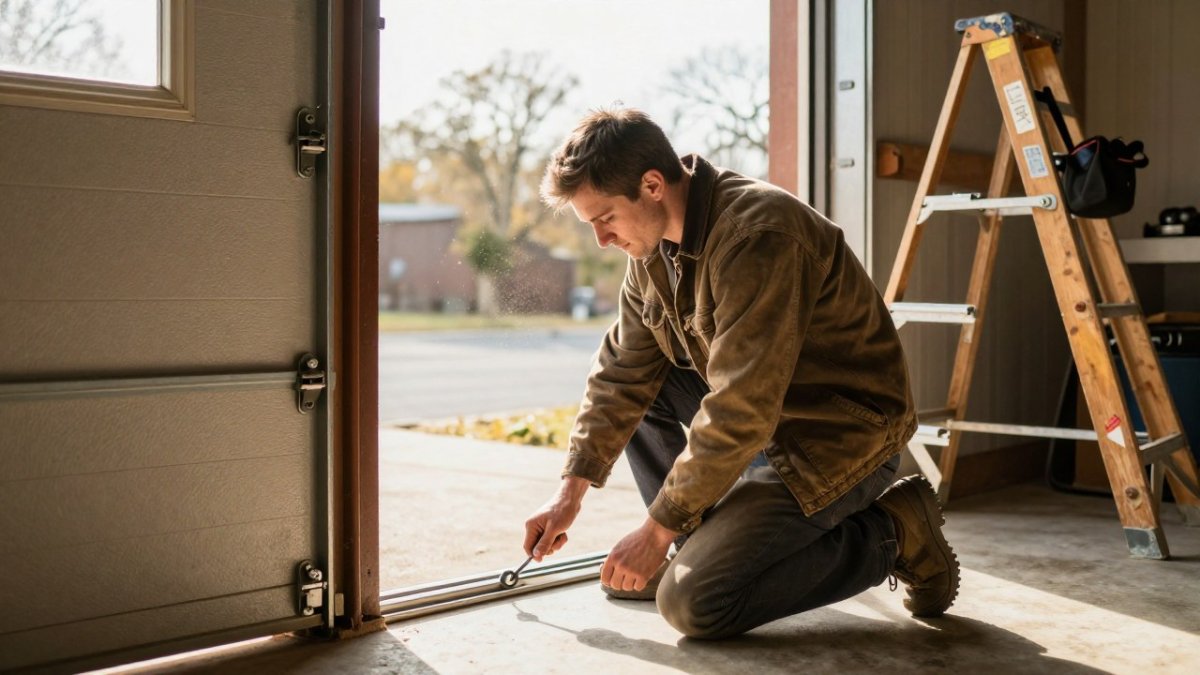
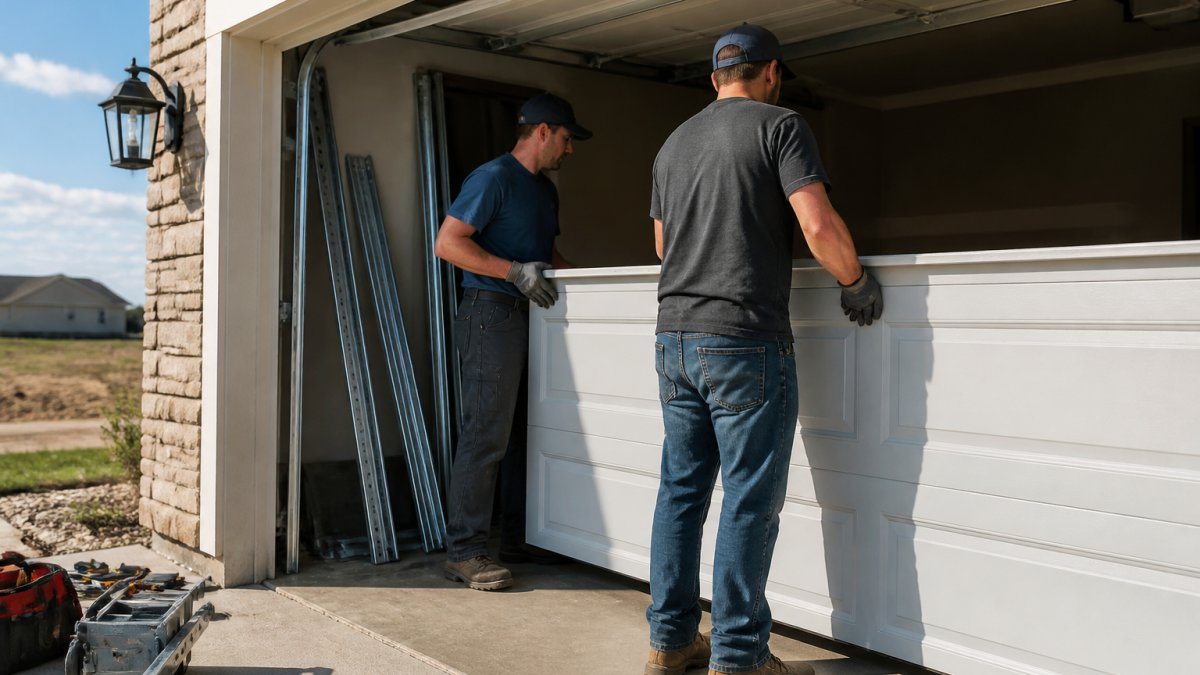
Residential garage door installation bennett co homeowners can count on starts long before the first panel goes up. It begins with a walkthrough: measuring the opening, checking the framing, and confirming the electrical setup for the opener. From there, the old door comes down, the tracks and springs get mounted, and the new door is balanced and tested.
At Garage Door Connection, we've handled enough eastern plains installs to know the process looks simple from the driveway and isn't. A garage door is the largest moving object in most homes, and it runs on springs under serious tension. Getting the balance wrong shortens the door's life and puts strain on the opener.
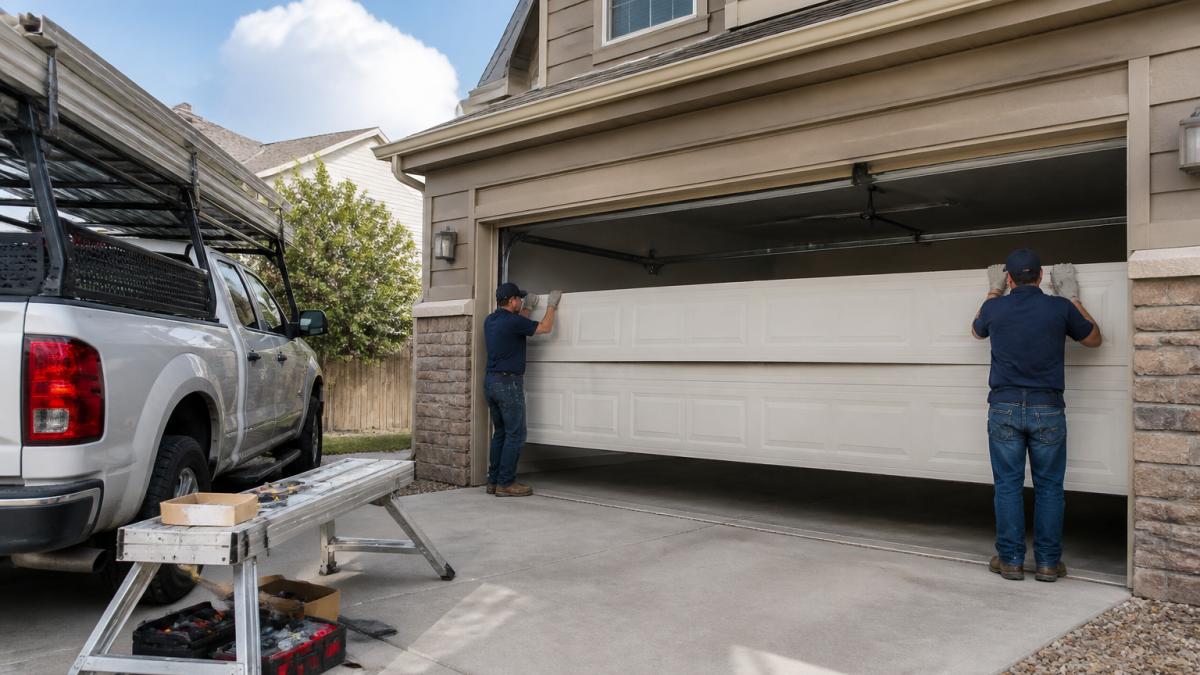
Here's the sequence most professional installs follow:
- Measure the opening and verify the headroom above the door
- Remove the old door, tracks, and hardware
- Inspect and reinforce the framing where needed
- Mount the new tracks and torsion or extension springs
- Assemble and stack the door panels
- Set spring tension and balance the door by hand
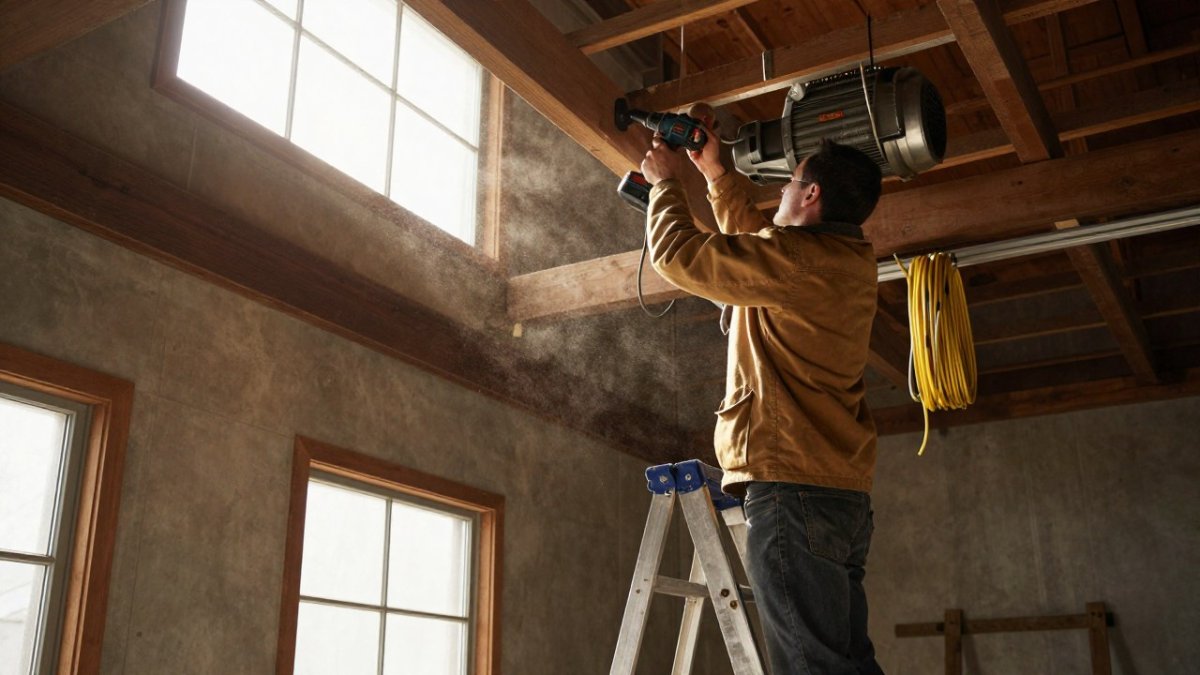
- Install and program the opener, then test safety sensors
Most homeowners ask two questions first: what will it cost, and how long will it take? We'll answer both below, along with the details that actually decide whether a door survives a Colorado winter.
Residential Garage Door Types That Hold Up to Colorado Weather
The best residential garage door types for this climate share one trait: they resist temperature swings without warping, cracking, or soaking up moisture. Eastern Colorado swings hard between hot summer afternoons and sub-freezing nights, and that cycle punishes cheap materials.
Steel doors dominate for good reason. They hold their shape, take insulation well, and handle hail better than most alternatives. Wood looks beautiful but needs constant sealing to survive dry winters and summer storms. Aluminum resists rust but dents easily. Fiberglass and vinyl sit in the middle: light, low-maintenance, and reasonably weather-resistant.
| Door Material | Cold-Weather Performance | Maintenance Level | Best For |
|---|---|---|---|
| Steel | Holds shape, insulates well | Low | Most homes, hail-prone areas |
| Wood | Can warp without sealing | High | Custom look, covered entries |
| Aluminum | Resists rust, dents easily | Low | Mild climates, light use |
| Fiberglass | Stable, resists moisture | Low | Coastal and humid areas |
Insulation Ratings and Cold-Weather Performance
Insulation is measured by R-value, and it's the number that decides how much heat your garage loses through the door. An uninsulated single-layer steel door offers almost no resistance. A door with polyurethane insulation bonded between two steel layers can rate several times higher.
For an attached garage, that difference shows up on your energy bill and in how cold the room above the garage feels. For a detached shop, insulation matters less for comfort and more for keeping pipes and equipment from freezing.
Window and Hardware Options That Resist Wind Damage
Windows add light and curb appeal, but they're also the weakest point in a door during high wind. Tempered glass handles impact far better than standard panes, and some manufacturers offer impact-rated glazing built for storm-prone regions.
Hardware matters just as much. Reinforced hinges, heavier gauge tracks, and wind-load-rated struts keep panels from flexing when gusts hit. If you've watched a cheap door rattle in a storm, you've seen what undersized hardware does.
What Drives Garage Door Installation Cost
Garage door installation cost depends on four things: door size, material, insulation level, and whether the opener and old-door removal are included. A single-car steel door with basic insulation sits at the low end. A custom-sized, fully insulated, windowed double door with a smart opener sits at the high end.
Labor and site conditions move the number too. A straightforward swap into an existing opening is quicker than a job that needs new framing, electrical work, or a header repair. Emergency or after-hours scheduling also affects pricing.
Because every home is different, we don't quote flat rates over the phone. We measure, inspect, and give you a written quote before any work starts. You can request a free quote and get an exact number for your door.
How Long Does Garage Door Installation Time Take?
Garage door installation time typically runs a few hours for a standard single-door replacement. A double door or a job with framing repairs takes longer, and custom orders add lead time before the crew ever arrives.
Here's how the time usually breaks down:
- Standard single-door replacement: half a day
- Double-door replacement: most of a day
- New construction or framing work: one to two days
- Custom or specialty door lead time: several weeks from order to install
The install day itself is the short part. Most of the waiting happens between ordering and delivery, especially for non-standard sizes or specific colors. If your door is a common size and finish, the turnaround is much faster.
We schedule most installs within a few days of the quote, and we'll tell you the lead time up front so there are no surprises.
Garage Door Installer Questions to Ask Before You Hire
The right garage door installer questions separate a crew that does this daily from one that treats your door as a side job. Ask them before you sign anything, and pay attention to how specific the answers are.
Start with the basics:
- Are you licensed and insured, and can I see proof?
- What warranty covers the door, the springs, and the labor?
- Do you use specialized equipment for spring work?
- Can you provide references from nearby installs?
- What happens if something fails in the first year?
A vague answer to any of these is a red flag. A good installer answers without hesitation and puts the details in writing.
Licensing, Insurance, and Warranty Coverage
Licensing and insurance protect you if something goes wrong on your property. Ask for the certificate, not just a verbal yes. Warranty coverage should spell out what's covered and for how long, separately for the door, the hardware, and the workmanship.
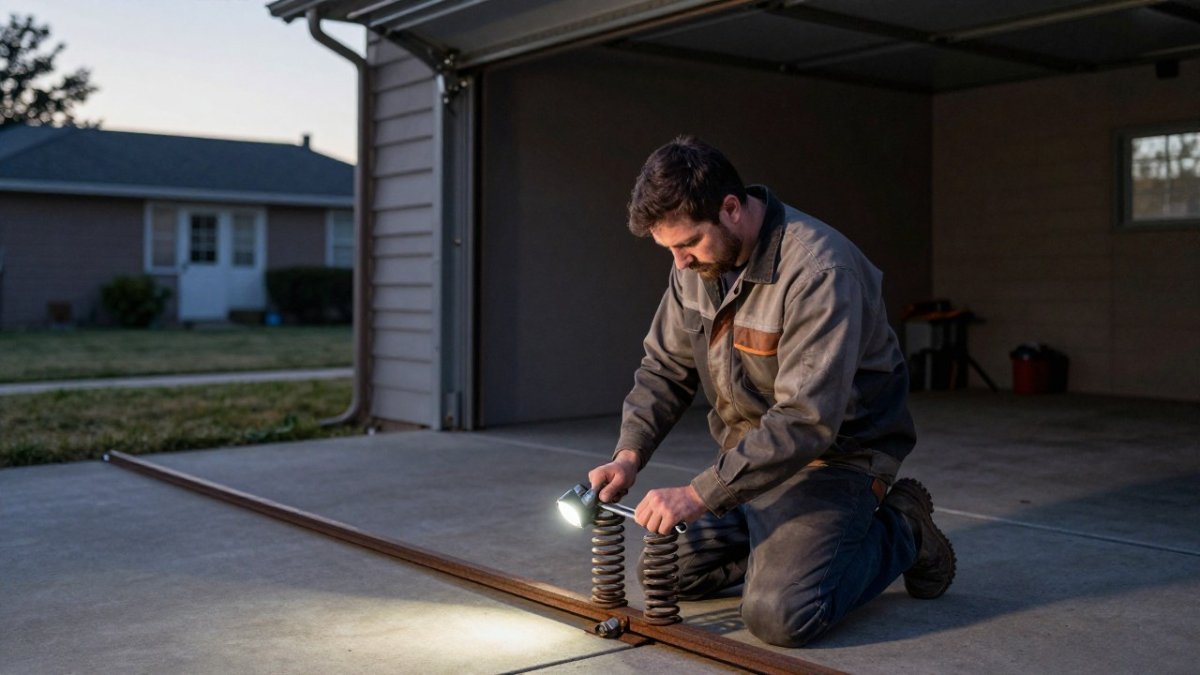
Springs are the part homeowners ask about most, and rightly so. They carry the door's full weight and fail under load. A warranty that covers springs and labor tells you the installer stands behind the parts most likely to break.
Emergency Availability and Response Times
A broken spring at 2 AM leaves your car trapped and your home less secure. Ask whether the company actually answers the phone at night, and whether they charge a premium for after-hours calls. Some outfits advertise 24/7 and then route you to a voicemail.
We run true 24/7 emergency repair, so a snapped spring or a door stuck open gets handled when it happens, not the next business day.
Smart Openers and Battery Backup for Bennett Homes
Smart openers and battery backup solve two separate problems: remote access and power loss. A smart opener lets you open, close, and monitor the door from your phone. Battery backup keeps the door working when the grid goes down, which matters more here than in most places.
The connectivity question comes up a lot. Will a smart opener hold up to our temperature swings? The answer depends on the unit and the Wi-Fi signal at the garage. A weak signal plus a cold garage is a bad combination, so we check both before recommending a model.
If you're worried about being locked out when an app fails, know this: every smart opener still works with a wall button and a manual release. The app is a convenience layer, not the only way in.
Why Garage Door Connection Is the Local Choice
Local matters when the door is the biggest moving part of your house and the weather is working against it. Garage Door Connection installs and services doors built for the Colorado climate, from insulated steel doors to smart openers with battery backup.
We bring specialized equipment for safe spring replacement, so the most dangerous part of the job gets handled correctly. We answer the phone at 2 AM. And we give you honest communication, the kind you'd expect from a neighbor who actually lives here.
What sets us apart is the combination: rapid 24/7 emergency response, climate-ready installations, and advanced opener technology with smartphone control. That's the whole package, not just a door.
Conclusion
A garage door that fights the weather is a daily annoyance, and a cheap install that fails in year two costs more than doing it right the first time. The door, the springs, and the opener all have to work together, and that only happens when the install is done by people who understand this climate.
Garage Door Connection handles residential and commercial installs with climate-resistant materials, safe spring replacement using specialized equipment, and smart openers with battery backup and smartphone control. We're local, we answer at any hour, and we quote before we start.
Get a free quote from Garage Door Connection and get a door that opens smoothly through every Colorado season.
Frequently Asked Questions
How much does residential garage door installation cost?
Garage door installation cost depends on the door size, material, insulation level, and whether you need a new opener or track system. Garage Door Connection provides free quotes so you get an exact figure for your home instead of a rough estimate.
How long does garage door installation time take?
Most single-door installations take four to six hours for a standard replacement, while double doors or jobs requiring new tracks and openers can run a full day. If your existing frame or header needs repair, add extra time. Garage Door Connection confirms the expected window when you book so you can plan your day.
What should I ask a garage door installer before hiring?
Ask about licensing, insurance, warranty terms on both parts and labor, and whether the quote includes removal of your old door. Confirm they carry replacement springs and hardware on the truck, and ask how they handle emergency calls after hours. A written estimate with a clear scope protects you from surprise charges.
Will a smart opener work with my older garage door?
In most cases, yes. Smart openers mount to the existing rail and header, so they work with doors that are structurally sound and balanced. If your door is 15 years or older, a technician should inspect the springs, rollers, and panels first. Garage Door Connection checks compatibility during the free quote and recommends a full replacement only when the door itself is failing.