 How-to
Smart Garage Opener Cold Weather Performance
Table of Contents
- How Cold Weather Affects Smart Garage Door Openers
- Common Garage Door Opener Cold Weather Problems
- Garage Door Remote Cold Temperature Issues
- Garage Door Lubricant for Cold Weather Maintenance
- Best Garage Door Opener for Cold Winters
- Cold-Weather Troubleshooting Sequence for Smart Openers
- Cold-Weather Maintenance Checklist
- Frequently Asked Questions
Last Updated: October 21, 2026
How Cold Weather Affects Smart Garage Door Openers
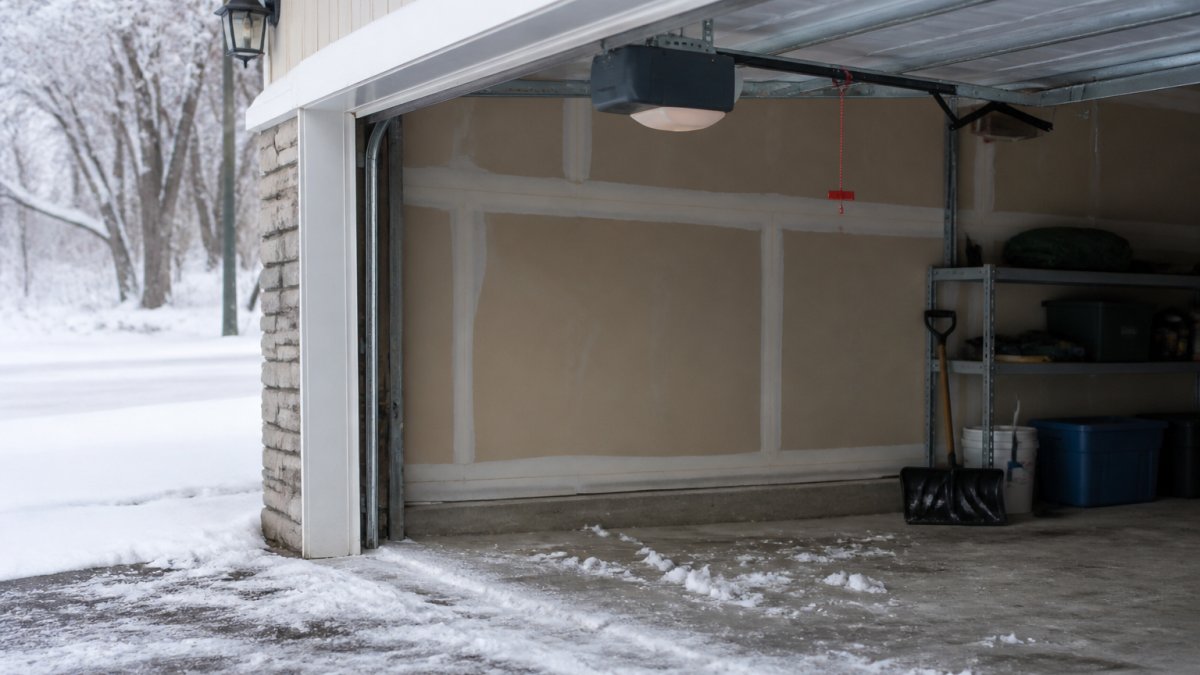
Cold weather creates serious challenges for smart garage opener cold weather performance in garage door systems.
Here's what happens: batteries lose capacity in cold. Metal contracts and becomes stiff. Wi-Fi signals weaken.
Knowing the difference between a connectivity issue and a mechanical failure saves time and money.
The good news: most cold-weather problems are preventable with proper maintenance and the right troubleshooting approach.
Common Garage Door Opener Cold Weather Problems
Winter brings a predictable set of failures.
Battery-powered remotes lose range. Cold shrinks battery capacity.
Wi-Fi connectivity drops randomly. Smart openers rely on stable signals. Cold air reduces signal strength. Metal garage doors reflect signals.
Door hardware becomes stiff. Lubricant thickens. Springs lose tension. Rollers stick. The door moves slower or stops partway up.
Battery backup fails to activate. When power goes out, backup batteries should kick in. Cold reduces their output voltage.
Wi-Fi Connectivity Failures vs. Mechanical Failures
This distinction matters because the fixes are completely different.
Connectivity failures show these signs:
- App connects, then disconnects within seconds
- Door opens fine manually but app shows "offline"
- Signal strength drops when you move the phone closer to the garage
- Rebooting the opener temporarily fixes the issue
- Problem happens only in the garage, not elsewhere in your home
Mechanical failures show these signs:
- Door moves slowly or stops partway up
- Manual remote works but opener sounds strained
- Door closes fine but struggles to open
- Problem happens whether Wi-Fi is working or not
- Opener hums but door doesn't move
The difference is critical. A connectivity problem means you need to improve your signal or reposition your router. A mechanical problem means you need to lubricate hardware or check door balance.
To separate them: disconnect Wi-Fi entirely and use a hardwired wall button or wireless remote. If the door opens smoothly, it's a connectivity issue. If it still struggles, it's mechanical.
Battery Performance in Freezing Temperatures
Batteries are chemistry. Cold slows chemical reactions. That means less power output.
Most garage door opener batteries are alkaline or lithium. Alkaline batteries lose about 50% of their capacity at freezing temperatures.
What this means in practice:
- A battery showing "full" at 70°F might show "low" at 20°F
- Remote range shrinks from 50 feet to 15 feet
- Backup batteries might not have enough power to open a heavy door
- Battery-powered keypads become unresponsive
The fix isn't complicated. Replace batteries before winter. Test backup batteries in cold conditions (put them in a freezer for 30 minutes, then test the opener).
Lithium batteries outperform alkaline in cold weather. If your opener uses replaceable batteries, switch to lithium for winter months.
Garage Door Remote Cold Temperature Issues
Your wireless remote is a small radio transmitter. Cold affects both the transmitter and the receiver.
In the remote itself:
- Battery voltage drops (as discussed above)
- Circuit board conductivity changes
- Plastic housing contracts slightly, affecting button contact
In the opener receiver:
- Cold makes the receiver less sensitive
- Frost on the antenna reduces signal strength
- Metal components contract, affecting alignment
The result: reduced range and slower response time.
What to do: Keep your remote in your pocket or car, not in an unheated garage.
Replace remote batteries before winter. Don't wait until the remote stops working entirely.
If your remote still fails, check for ice buildup on the garage door opener's antenna. Frost can block signals. A quick wipe-down solves the problem.
Garage Door Lubricant for Cold Weather Maintenance
Wrong lubricant is worse than no lubricant. This is where most DIY attempts fail.
Standard garage door lubricant thickens dramatically in cold. It becomes almost solid. Your door hardware moves slower or not at all. Heavy-duty lubricants designed for summer heat are the worst offenders.
Use these lubricants in cold weather:
- Silicone spray (stays fluid in cold)
- White lithium grease (resists thickening)
- PTFE-based lubricants (designed for extreme temperatures)
Avoid:
- Standard WD-40 (too thin, evaporates)
- Heavy machine oil (thickens severely)
- Automotive grease (becomes solid in cold)
Apply lubricant to:
- Door rollers (the wheels that ride on the tracks)
- Hinges (where panels connect)
- Spring attachment points
- Track runners and guides
Apply sparingly. Over-lubrication attracts dirt and ice. A light coat is enough.
Timing matters. Lubricate in late fall, before the first freeze. Reapply mid-winter if you notice stiffness returning.
Best Garage Door Opener for Cold Winters
Not all openers handle cold equally. Drive system, motor power, and temperature ratings vary significantly.
Drive System Comparison in Freezing Conditions
Three main drive types exist: belt drive, chain drive, and direct drive.
Belt drive:
- Quieter operation
- Smoother, more reliable in cold
- Less affected by temperature changes
- Better choice for cold climates
Chain drive:
- More affordable
- Noisier, especially in cold (metal contracts and creates slack)
- Requires more frequent maintenance in winter
- Adequate but not ideal for extreme cold
Direct drive:
- No moving parts to contract
- Reliable in any temperature
- Most expensive
- Best long-term performance in cold climates
For cold-weather performance, belt drive and direct drive both outperform chain drive. The extra cost is worth it if you live in a cold climate with frequent temperature swings.
Temperature Ratings and Operating Limits
Check the manufacturer's specifications. Most garage door openers have an operating temperature range listed.
Standard openers: typically rated for 40°F to 110°F
Cold-weather openers: rated for 0°F to 110°F or even lower
What happens outside the rated range:
- Motor works harder and wears faster
- Mechanical parts become stiff or brittle
- Battery backup fails
- Wi-Fi connectivity drops
If you live in an area where winter temperatures regularly drop below 0°F, buy an opener rated for those temperatures.
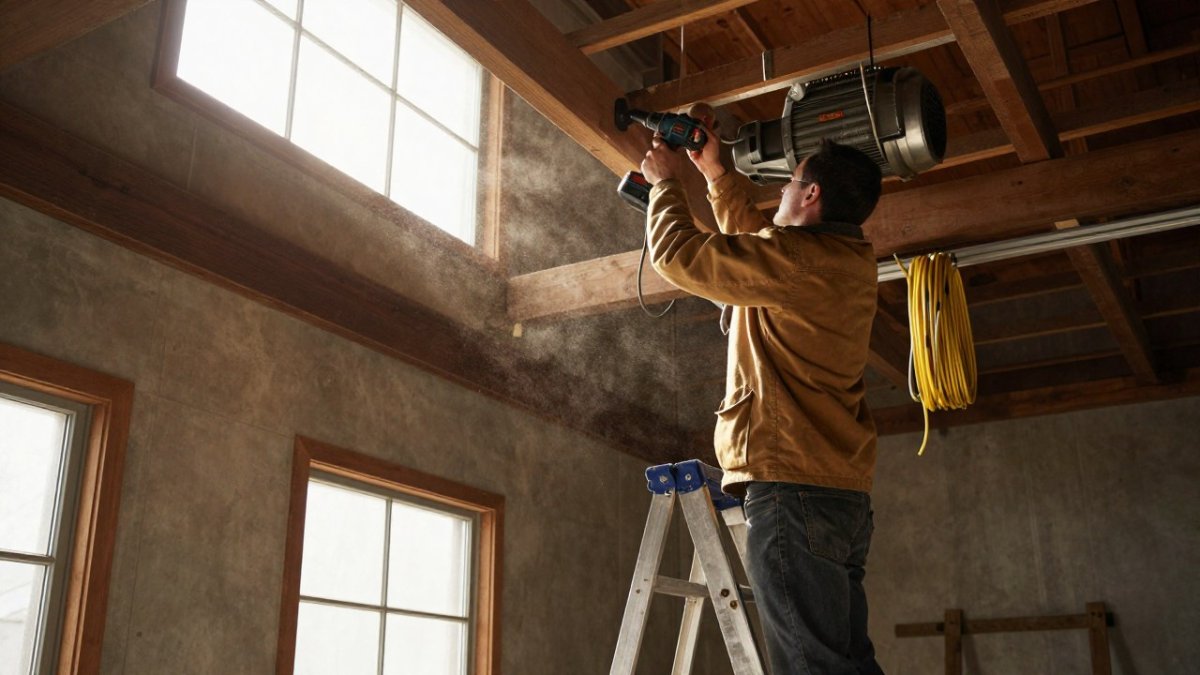
We install cold-resistant openers specifically designed for Colorado's temperature fluctuations. We choose systems rated for the extreme swings you experience, from freezing nights to warm winter days.
Cold-Weather Troubleshooting Sequence for Smart Openers
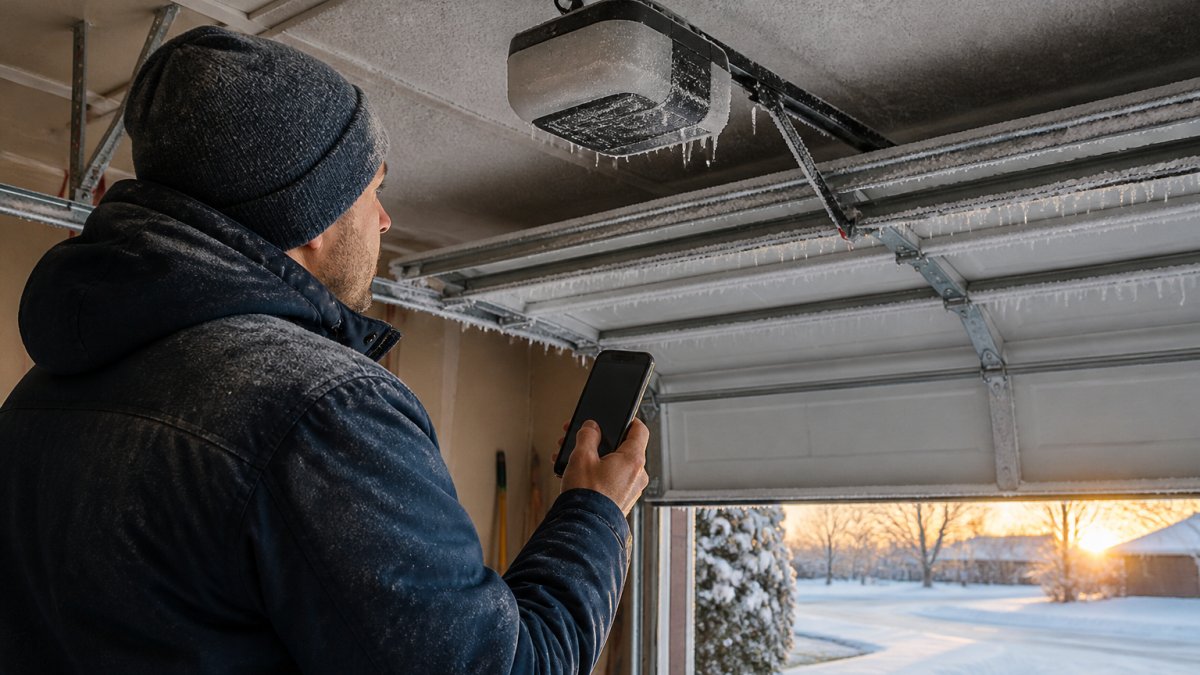
When your smart opener fails in winter, follow this sequence. It separates fixable problems from ones requiring professional help.
Step 1: Separate Connectivity from Mechanical Failures
Start here. This determines your next steps.
Test 1: Disconnect Wi-Fi from your opener. Use only the hardwired wall button or wireless remote.
- If the door opens smoothly: connectivity issue only. Go to Step 2.
- If the door still struggles: mechanical problem. Go to Step 2 anyway (you might have both).
Test 2: Check if the problem is specific to cold.
- Bring the remote inside for 30 minutes. Try it indoors. If it works fine, the cold is affecting battery or circuit board performance.
- Move your phone closer to the garage. If signal strength improves, Wi-Fi is the culprit.
Test 3: Restart everything.
- Unplug the opener for 30 seconds. Plug it back in.
- Restart your Wi-Fi router.
- Restart the opener's app on your phone.
Restarting clears temporary glitches. If the problem returns within an hour, it's not a glitch, it's a cold-weather effect.
Step 2: Check Door Balance and Hardware Stiffness
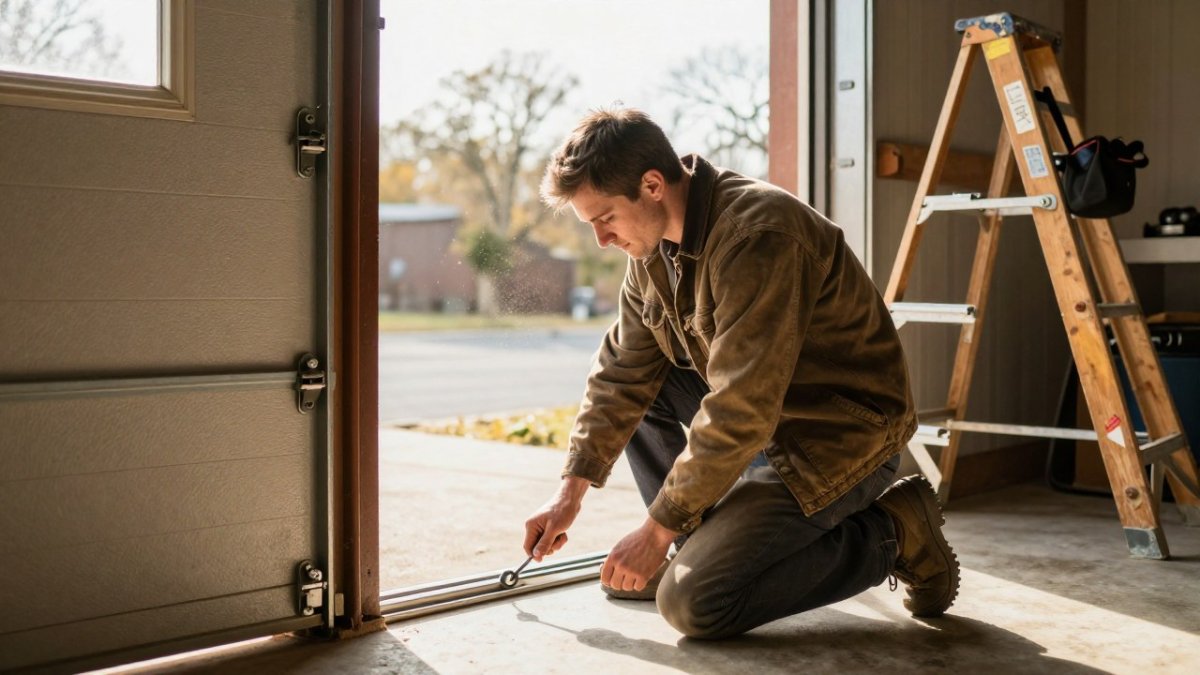
A door that struggles to open is usually a balance or lubrication problem, not an opener problem.
Test door balance:
- Close the door completely.
- Unplug the opener.
- Manually lift the door halfway. It should stay there without sliding down.
- If it falls, the springs are out of balance. This requires professional adjustment.
Check for stiff hardware:
- Listen for grinding or squeaking sounds.
- Watch for jerky, uneven movement.
- Feel if the door moves smoothly or catches.
Stiff hardware needs lubrication. Use silicone spray or white lithium grease (as described in the lubrication section above). Apply to rollers, hinges, and track guides.
If the door still struggles after lubrication, or if you hear loud grinding, stop using the opener and call a professional. Forcing a stuck door damages the motor and springs.
Step 3: Inspect Battery Backup Status
Battery backup is only useful if it actually works in cold.
Test your backup battery:
- Note the battery indicator on your opener or app.
- Unplug the opener from power.
- Try to open the door using the app or remote.
If the door opens: backup is working.
If nothing happens: backup is too weak to operate the door in cold conditions.
Replace the backup battery with a fresh one. Lithium batteries outperform alkaline in cold. Test again by unplugging the opener.
If the new battery still doesn't work, the problem might be the backup system itself, not the battery. This requires professional diagnosis.
When to Call a Professional
Stop troubleshooting and call a professional if:
- The door doesn't move at all, even after restarting and lubricating
- You hear loud grinding, squealing, or popping sounds
- The door is visibly bent or off its tracks
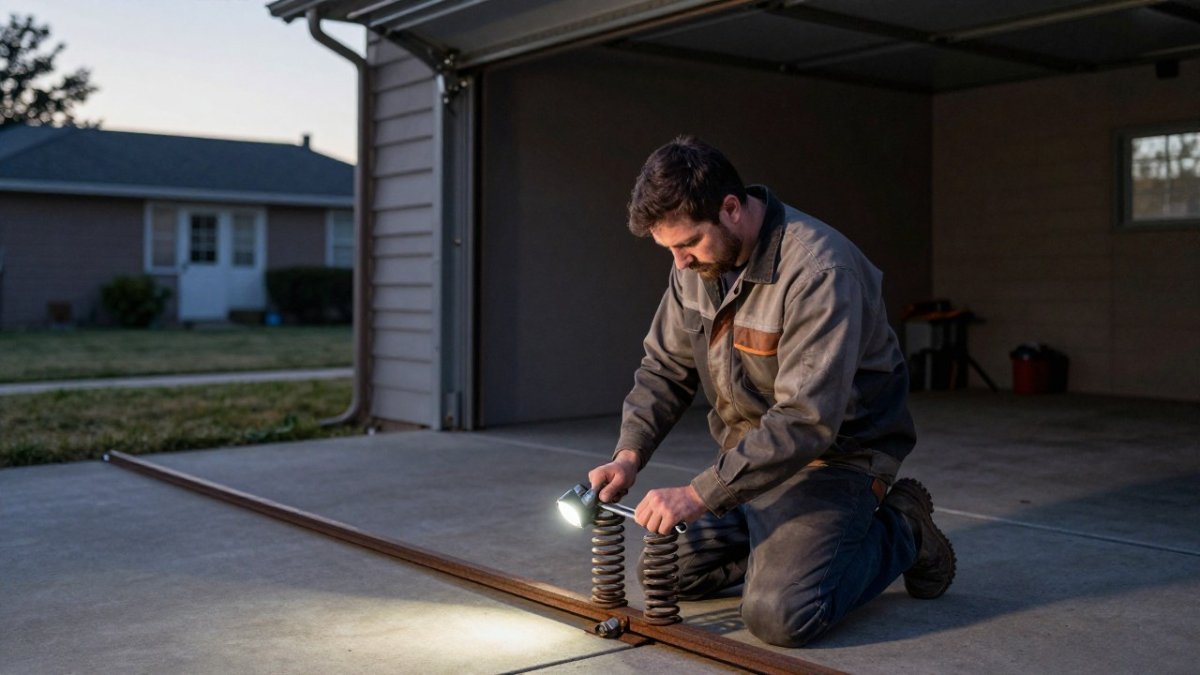
- Springs appear broken or severely loose
- The door falls suddenly when you manually lift it
- Lubrication and restarting don't improve performance within 24 hours
These are signs of mechanical failure beyond DIY fixes. We provide 24/7 emergency repair service. We diagnose cold-weather failures quickly and get your door working safely.
Cold-Weather Maintenance Checklist
Prevent problems before they start.
In late fall (October-November):
- Replace batteries in remotes and backup systems with fresh alkaline or lithium
- Lubricate all door hardware with silicone spray or white lithium grease
- Test door balance by manually lifting it halfway
- Check Wi-Fi signal strength in your garage
- Verify backup battery works by unplugging the opener
Mid-winter (January-February):
- Reapply lubricant if door movement becomes stiff
- Clear ice and frost from door tracks and opener antenna
- Test backup battery again (cold reduces capacity over time)
- Check remote range, if it's shortened, replace batteries
Early spring (March-April):
- Inspect door and hardware for frost damage
- Clean tracks and remove any ice debris
- Lubricate again if winter was particularly harsh
- Replace any corroded or damaged components
Year-round:
- Keep remotes indoors when not in use
- Wipe frost off the opener antenna after heavy snow
- Monitor Wi-Fi signal strength and reposition router if needed
- Watch for unusual sounds or slow movement
Cold weather tests every part of your smart garage opener. Batteries weaken. Metal stiffens. Signals degrade. Most failures are preventable with seasonal maintenance and the right troubleshooting approach. We handle the complex cases, broken springs, mechanical damage, and system failures that require professional equipment and expertise. For emergency repairs, we're available 24/7 across Colorado. Get a Free Quote and let us make sure your garage door is ready for winter.
Frequently Asked Questions
Do smart garage door openers work in cold weather?
Smart garage openers function in cold weather, but performance depends on the drive system, battery quality, and Wi-Fi signal strength. Belt-drive systems generally handle cold better than chain-drive models because they're less affected by lubricant thickening. Battery backup systems may lose 20-30% of their charge capacity in freezing temperatures, and Wi-Fi connectivity can weaken if the router is far from the garage. Most quality smart openers are rated to operate safely down to 0°F, though response times may slow.
Why does my garage door opener struggle when it is cold?
Cold causes multiple issues: lubricants thicken and increase friction on rollers, hinges, and tracks; door springs lose flexibility and require more force to lift; batteries deliver less power; and Wi-Fi signals attenuate through cold-weather condensation and ice buildup. The motor itself works harder to overcome this resistance, and the opener's limit switches may respond more slowly. If your door reverses or opens partially, the cold-stiffened hardware is likely demanding more current than the motor can deliver safely.
Can cold temperatures affect a garage door remote or smart opener's Wi-Fi connection?
Yes. Cold reduces battery performance in wireless remotes by 20-30%, shortening range and response time. For smart openers, Wi-Fi signal strength drops when ice or condensation forms on antenna surfaces, and metal garage doors can reflect or block signals in freezing conditions. Additionally, cold slows data transmission slightly, which may cause app commands to timeout. If your smartphone app stops responding but the wireless remote works, the issue is likely Wi-Fi-related rather than mechanical.
What should I check if my garage door reverses in cold weather?
First, inspect the door's balance by disconnecting the opener and manually lifting the door halfway. If it falls or doesn't stay in place, the springs are likely too stiff from cold and need lubrication. Check all rollers, hinges, and tracks for ice buildup or frost, clean and apply cold-weather lubricant. Verify the door seal and weather stripping for gaps that allow cold air and moisture inside. If the door still reverses after lubrication, the motor may lack sufficient power to lift the cold-stiffened door safely, and a professional inspection is recommended.