 How-to
Warehouse Door Maintenance in Colorado: A Complete Guide
Table of Contents
- Why Warehouse Door Maintenance Matters for Colorado Operations
- Industrial Door Inspection Checklist for Warehouse Safety
- Warehouse Door Preventive Maintenance Schedule by Door Type
- Colorado Weather and Seasonal Door Maintenance Demands
- Commercial Door Repair: When to Call a Professional
- Warehouse Door Repair Cost: Planning Your Maintenance Budget
- Maintenance Logs and Performance Tracking
- Getting Professional Help: What to Expect from a Warehouse Door Service
- Frequently Asked Questions
Last Updated: October 19, 2026
Why Warehouse Door Maintenance Matters for Colorado Operations
Warehouse door maintenance isn't optional, it's the difference between smooth operations and costly downtime. Preventive care can keep facilities running safely while emergency repairs drain budgets and disrupt workflows.
Your warehouse doors cycle dozens of times daily, face Colorado's extreme temperature swings and heavy snow loads, and bear the weight of inventory movement.
This guide covers what warehouse door maintenance requires: monthly inspections, seasonal adjustments for Colorado weather, when to call professionals, and how to track performance. Overhead doors, dock doors, and glass storefronts each have different maintenance rhythms and failure modes.
Industrial Door Inspection Checklist for Warehouse Safety
A structured inspection catches problems before they become emergencies. The goal isn't perfection, it's consistency. Regular visual checks and hands-on assessments reveal patterns that predict failure.
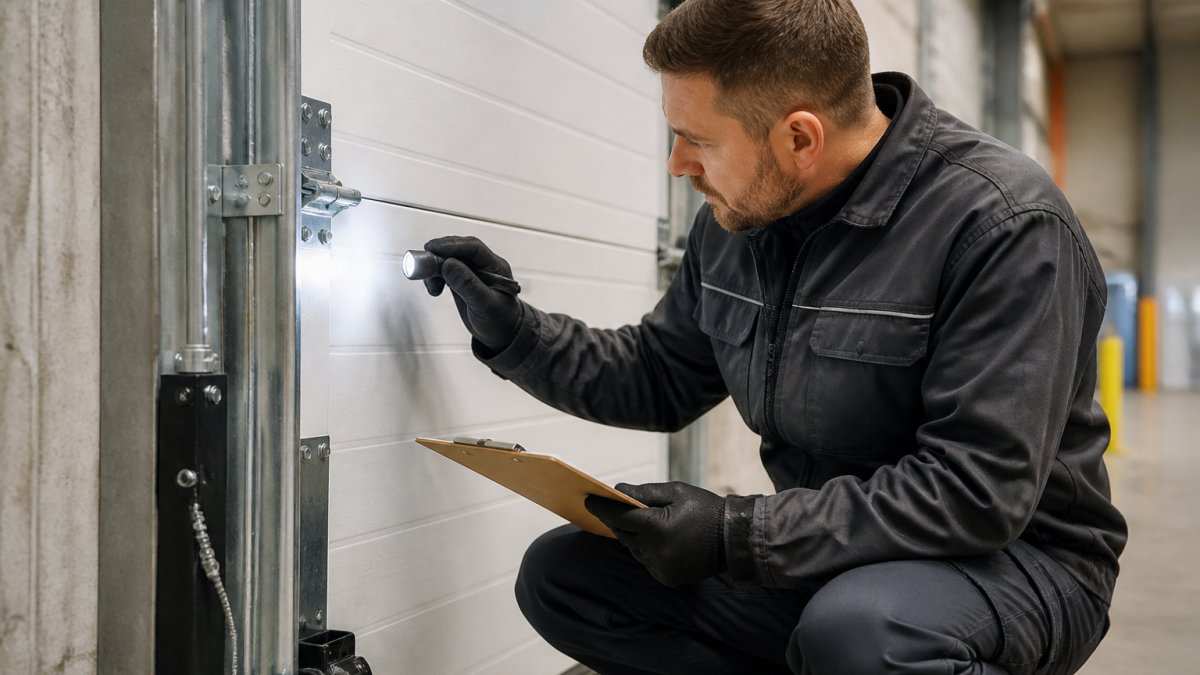
Monthly Visual Inspection Steps
Monthly inspections take 15 minutes and require no special tools.
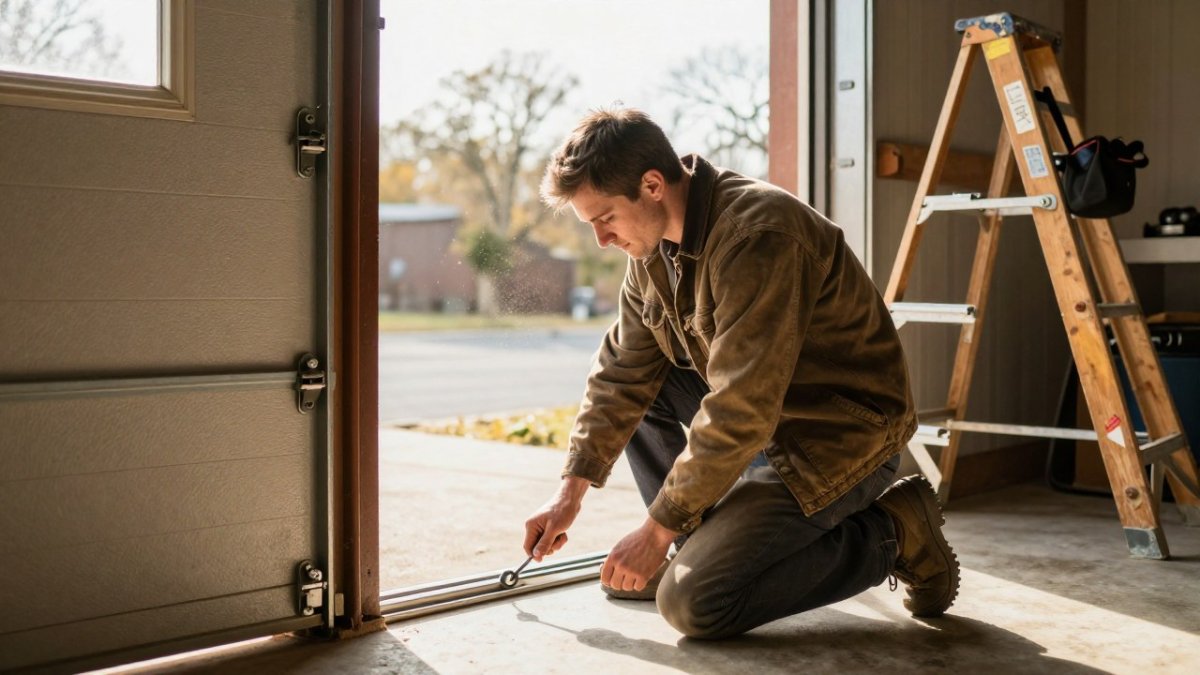
Walk each door's track and look for debris, ice buildup, or gaps where the door doesn't sit flush. Listen as the door cycles, grinding or squealing signals friction or misalignment.
Examine hinges and brackets on swing doors and tighten loose bolts. Rust accelerates failure, especially where road salt and snowmelt create corrosive conditions, so wipe it with a wire brush and apply light oil.
Test the door's balance by opening it halfway manually (disable the opener first on overhead doors).
Document what you see: date, door location, condition notes, and issues spotted. This log is invaluable for explaining maintenance history to a technician or tracking recurring problems.
Quarterly Hardware and Seal Assessment
Every three months, dig deeper. This 30-minute-per-door inspection catches wear before it cascades.
Inspect all visible fasteners, including bolts, hinges, and brackets, and tighten anything loose.
Check seals around the entire perimeter for cracks, gaps, or compression where the seal no longer contacts the frame.
Test the operator: hesitation, jerking, or inconsistent speed indicates worn components or misalignment. Note any unusual sounds.
For roll-up doors, roll the door manually while watching the curtain. It should track straight without binding or pulling to one side, which indicates track misalignment or debris in the channel.
For dock doors, press the weather stripping where the door meets the frame. It should compress slightly and spring back; if it's hard or doesn't rebound, it's lost elasticity and won't seal properly.
Warehouse Door Preventive Maintenance Schedule by Door Type
Different door types have different wear patterns. Maintenance schedules should match how each door actually fails.
Overhead and Roll-Up Doors
Overhead doors carry heavy loads and cycle frequently, failing predictably if neglected.
Monthly: Visually inspect tracks, hinges, and seals. Listen for grinding or squealing. Test balance by opening halfway and releasing. Wipe debris from tracks.
Quarterly: Tighten fasteners, inspect seals for cracks or compression, test operator function, and check alignment as the door moves.
Semi-annually: Clean tracks thoroughly, removing ice, salt residue, and debris. Apply light machine oil to track channels and hinges.
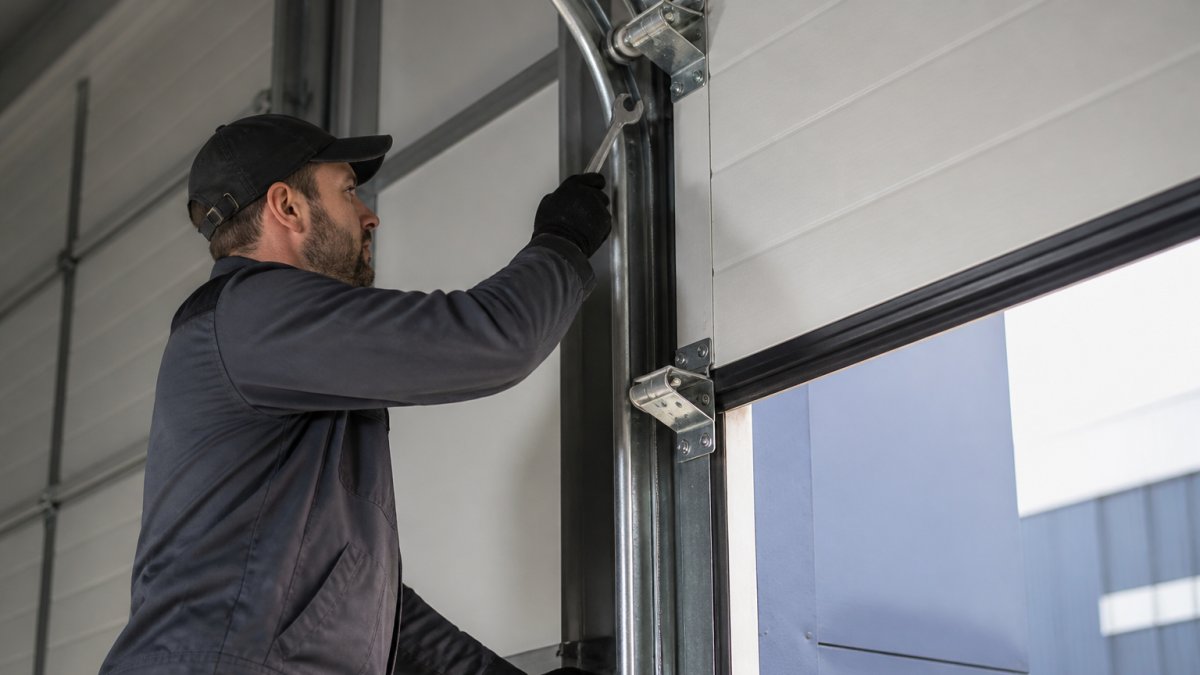
Annually: Have a professional inspect the entire system, including spring tension, operator function, safety sensors, and structural alignment.
After heavy use or harsh weather: Inspect immediately. Colorado snow storms, temperature swings, and ice accelerate wear, so add an extra inspection after extreme weather events.
Dock Doors and High-Traffic Entrances
Dock doors open and close dozens of times daily, face constant impact from forklifts and loading equipment, and are exposed to weather and temperature changes.
Weekly: Visually check seals, hinges, and frame for impact damage or seal separation, and test smooth operation.
Monthly: Full inspection per the checklist above. Tighten fasteners. Check alignment.
Quarterly: Professional cleaning of tracks and hardware. Lubricate hinges and moving parts. Inspect for wear patterns caused by repeated impact.
Semi-annually: Replace weather stripping if it shows compression or cracks. Inspect the door frame for structural damage or misalignment from impacts.
Annually: Professional assessment of the entire door assembly, including frame integrity, operator function, and safety compliance.
Glass Storefronts and Commercial Entrances
Glass doors look simple but require different maintenance. Glass is rigid and unforgiving, cracks spread quickly, and seal failures let in weather and pests.
Monthly: Inspect glass for cracks or chips. Check seals around the glass perimeter. Look for condensation between panes, which signals seal failure. Wipe frames and hardware clean.
Quarterly: Clean glass thoroughly inside and out. Inspect hinges and locks for corrosion. Test smooth operation and proper closing.
Semi-annually: Check caulking around the frame. Colorado's temperature swings cause caulk to crack and separate. Recaulk if gaps appear. Inspect the frame itself for warping or damage.
Annually: Professional inspection of glass integrity, frame condition, and seal performance. They can identify micro-cracks that will spread and recommend replacement before failure.
Colorado Weather and Seasonal Door Maintenance Demands
Colorado's climate is uniquely harsh on doors.
Winter brings heavy snow and ice. Snow accumulates in tracks and around door seals, preventing proper closure.
Winter maintenance: Clear snow and ice from tracks and seals weekly. Don't let buildup accumulate.
Spring brings temperature swings that stress door components.
Spring maintenance: Tighten all fasteners after the freeze-thaw cycle ends. Inspect for rust on hinges and brackets.
Summer brings intense sun and low humidity. Rubber seals dry out and crack.
Summer maintenance: Inspect seals for cracking and brittleness. Apply UV-protective coating to metal components if they're exposed.
Fall brings temperature drops and the first frosts.
Fall maintenance: Conduct a full inspection before winter arrives. Replace seals if they're cracked or compressed.
Commercial Door Repair: When to Call a Professional
Some maintenance is DIY. Most repairs are not. Knowing the difference keeps your team safe and prevents costly mistakes.
Safety Red Flags That Require Immediate Service
Stop any repair attempt immediately if you see these warning signs. Call a professional.
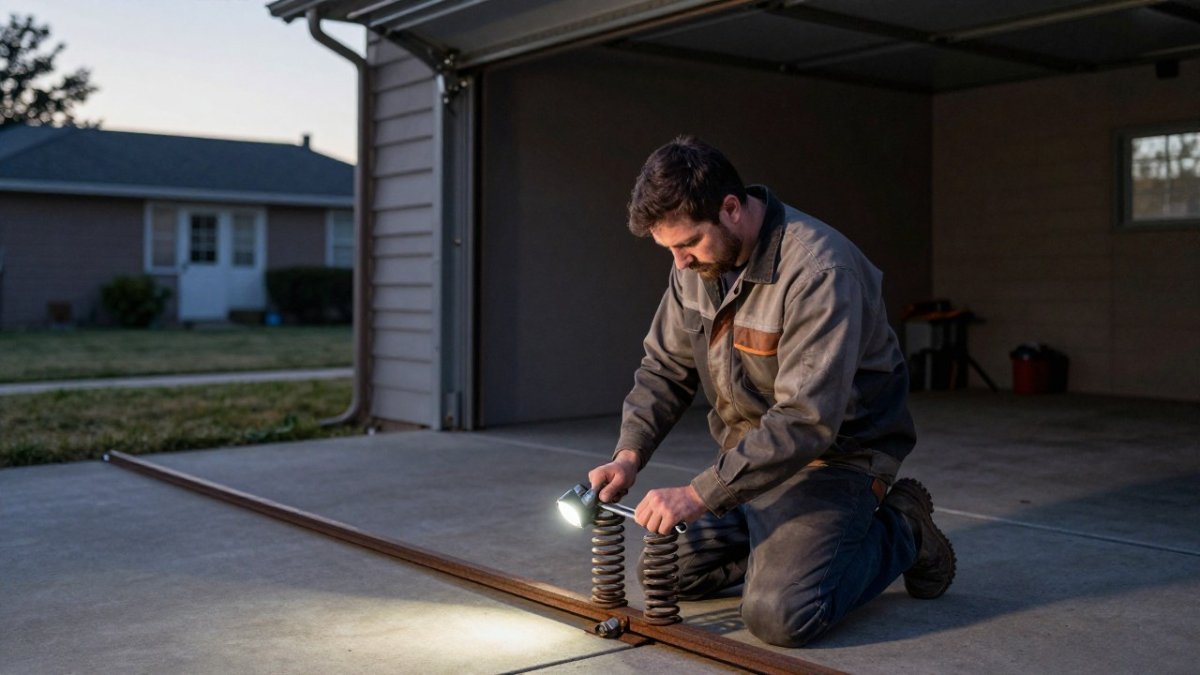
Spring or cable damage: Broken springs or cables are under extreme tension.
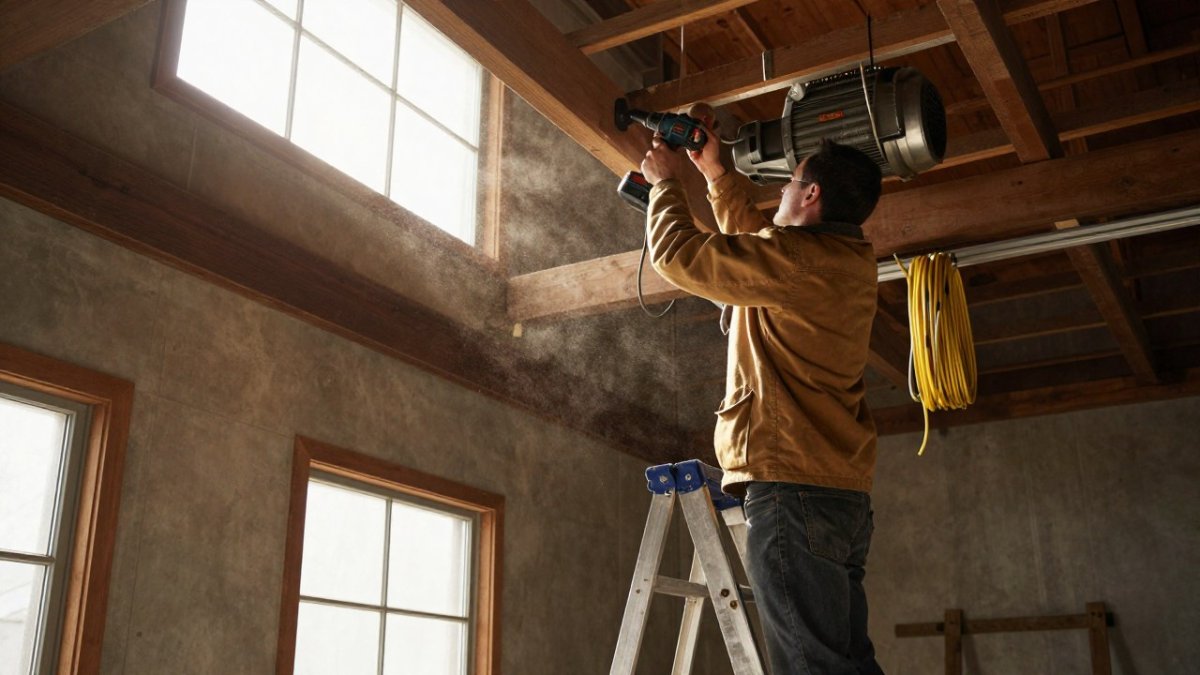
Electrical or operator issues: If the door won't respond to the opener, sparks are visible, or the motor makes unusual sounds, stop using it.
Structural damage to the frame or panels: Dents, bends, or visible frame damage means the door isn't sealing or aligning properly.
Gas cylinder leaks (for pneumatic doors): If you see fluid leaking from cylinders or smell gas, stop using the door immediately.
Misalignment that won't correct: If the door drags, binds, or won't close flush, and tightening fasteners doesn't fix it, the track or frame is bent.
Common Troubleshooting Before You Call
Some issues are simple fixes. Try these before calling a repair service.
Door won't open or close: Check for debris in the track. Remove snow, ice, or objects blocking the path.
Door opens or closes slowly: Clean the track thoroughly. Debris and ice slow movement. Apply light machine oil to the track channel.
Door makes grinding or squealing sounds: Clean the track and remove any debris. Apply light oil to hinges and track channels.
Remote won't work: Replace batteries first.
Seal is cracked or pulling away: If the seal is simply compressed but intact, it may still function in mild weather.
Door is misaligned but still moves: Tighten all visible fasteners. Check that nothing is blocking the track.
Warehouse Door Repair Cost: Planning Your Maintenance Budget
Repair costs vary widely based on the door type, damage severity, and what components need replacement. Planning ahead prevents budget surprises.
Factors That Affect Repair Pricing
Door type: Overhead doors cost more to repair than swing doors because components are larger and labor is more complex.
Component failure: Replacing a seal costs less than replacing a spring or operator. Springs and operators are the most expensive components.
Accessibility: Doors in difficult-to-reach locations or that require special equipment cost more to service. Rooftop or outdoor doors may require additional setup time.
Urgency: Emergency after-hours service costs significantly more than scheduled daytime service. If the door can wait until business hours, costs drop.
Extent of damage: A single failed component costs less than multiple failures. Preventive maintenance prevents cascading failures that compound repair costs.
The best cost control is prevention. A $150 seal replacement catches problems early.
Emergency Service Availability and Response Time
Warehouse operations can't wait. Equipment failure during peak hours creates chaos. Understanding response times helps you plan.
Most professional door services offer 24/7 emergency response, but response times vary. Some dispatch technicians within 1-2 hours. Others may take 4-6 hours depending on call volume and technician availability.
After-hours service typically costs 50-100% more than daytime rates. If your warehouse runs 24/7, budgeting for emergency service is essential. If you operate standard business hours, scheduling preventive maintenance during the day keeps costs down.
Having a maintenance log and knowing your door's history helps technicians diagnose problems faster. They can see what's been serviced and what patterns have emerged. That speeds repair time and reduces costs.
Maintenance Logs and Performance Tracking
A maintenance log is your most valuable tool. It documents what's been done, identifies patterns, and proves you're maintaining the equipment properly.
Track these details for each door:
- Date of inspection or service
- Door location and type
- What was inspected or repaired
- Any issues found
- Actions taken
- Next scheduled maintenance date
- Technician name if professional service was used
Over time, this log reveals patterns. If a particular door fails repeatedly, you'll see it in the data. If seasonal issues emerge, the log shows when to expect them. When budgeting for replacements or upgrades, the log demonstrates the door's maintenance history.
Digital logs (spreadsheet or app) are easier to search and update than paper. Include photos of damage or wear for visual reference. When you call a repair service, share the log, it gives them context and speeds diagnosis.
Getting Professional Help: What to Expect from a Warehouse Door Service
When you call a professional, knowing what to expect makes the process smoother and ensures you get the service you need.
Professional door services begin with a detailed assessment. The technician inspects the entire door system: panels or curtain, tracks, hinges, seals, operator, and frame.
They'll explain what's wrong, what needs repair or replacement, and what the options are. Good service providers are transparent about costs and timelines.
Repairs may be completed on-site for simple issues like seal replacement or fastener tightening.
After repair, the technician should test the door thoroughly to confirm it's working properly. They should explain what was done and provide recommendations for future maintenance.
Professional service from Garage Door Connection includes this level of detail and transparency.
Frequently Asked Questions
How often should warehouse doors be inspected and maintained?
Warehouse doors should receive a visual inspection monthly and a comprehensive maintenance check quarterly. High-traffic loading docks and roll-up doors used daily may need monthly full maintenance. Seasonal inspections before winter are critical in Colorado due to temperature swings and snow load stress. A maintenance log helps track when each inspection occurred and what repairs were completed, ensuring nothing is missed.
What does warehouse door preventive maintenance typically include?
Preventive maintenance includes lubrication of tracks and hinges, inspection of weather seals and gaskets, checking door alignment and balance, testing the operator and safety sensors, and examining hardware for rust or wear. For overhead and roll-up doors, this also includes checking spring tension and cable condition. Regular preventive maintenance can reduce emergency repairs and extend door life.
What are the signs that a warehouse door needs professional repair?
Stop DIY work and call a professional if you hear grinding or squealing noises, notice the door moving unevenly, see visible damage to springs or cables, experience slow opening or closing, find gaps in weather seals, or detect any safety sensor malfunctions. Never attempt to repair springs yourself, they store high tension and cause serious injury. Emergency 24/7 service is available when doors fail during business hours or overnight.
Can warehouse door maintenance reduce unexpected downtime?
Yes. Regular warehouse door maintenance prevents most emergency failures. A maintenance schedule catches worn seals, misaligned tracks, and failing operators before they cause complete shutdowns. This is especially important for loading docks and access doors that directly affect warehouse operations. Documenting maintenance through logs also helps predict when replacement is more cost-effective than repeated repairs.
Warehouse door failures don't announce themselves, they compound silently until operations grind to a halt. The difference between smooth operations and costly downtime is consistent maintenance and knowing when to call for professional help. Get a free quote from Garage Door Connection today and ensure your warehouse doors are ready for Colorado's demands.