 blog
How to Choose Belt vs Chain Drive for an Attached Garage
Last Updated: October 28, 2026
Quick Summary
Belt vs chain drive for an attached garage comes down to one trade: a rubber belt buys near-silent operation, while a steel chain buys brute strength for heavy doors. Choose belt drive for a standard door under living space, and chain drive for a heavy or detached door.
- Belt drive eliminates most metal-on-metal contact, so it needs only a light check once or twice a year.
- Chain drives benefit from lubrication every six to twelve months, especially in dusty or humid garages.
- A 3/4 HP unit is the usual step up for double doors and heavier insulated panels.
- A full chain-to-belt swap usually means replacing the full opener assembly, not just the chain.
- Rubber isolators between the motor unit and ceiling joists help keep the rumble out of the room above.
Table of Contents
- Belt vs Chain Drive: The Core Differences
- How Belt Drive Openers Work
- How Chain Drive Openers Work
- The Quiet Garage Door Opener for Attached Garage Owners Need
- Belt Drive Garage Door Opener Lifespan: What to Expect
- Chain Drive Garage Door Opener Reliability Under Load
- The Best Garage Door Opener for a Heavy Door
- Cost, Maintenance, and Smart Features Compared
- Get a Free Quote for Your Attached Garage Opener
- Frequently Asked Questions
Belt vs Chain Drive: The Core Differences
Belt vs chain drive comes down to one trade: a rubber belt buys silence, a steel chain buys brute strength. This guide walks through both, so you can match the drive mechanism to your door, your home layout, and your budget.
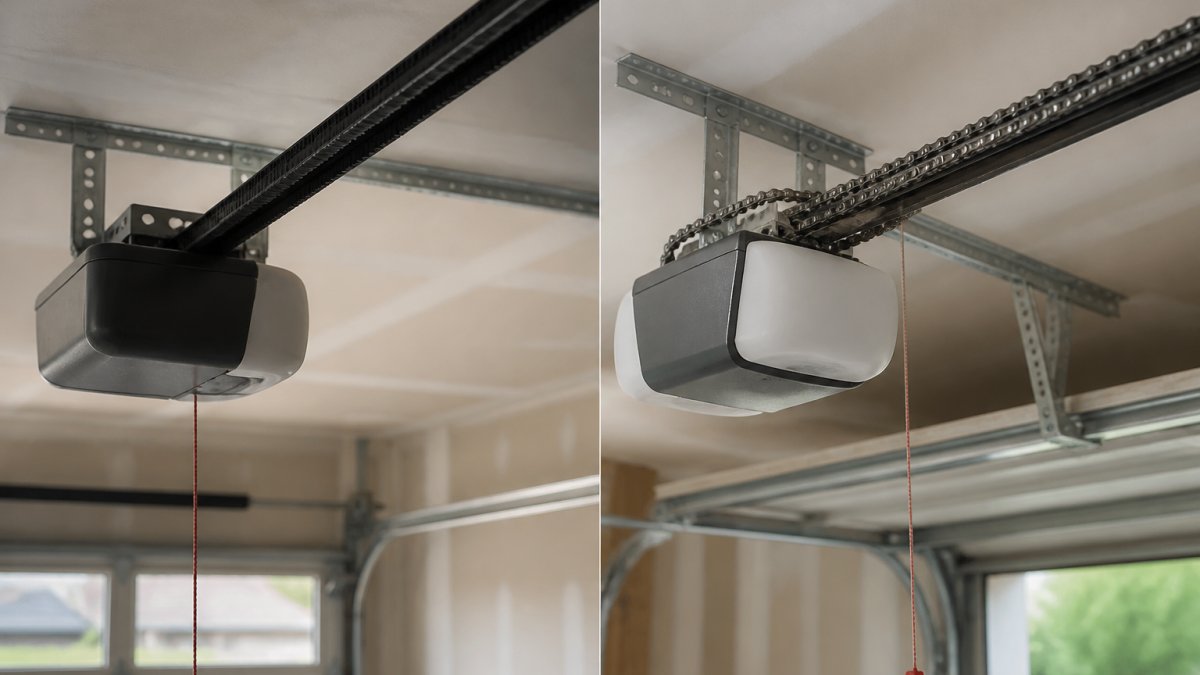
Belt drive is a garage door opener that pulls the door with a reinforced rubber belt running over a trolley assembly, trading lifting force for near-silent operation. Chain drive is a garage door opener that moves the same trolley with a steel chain, prioritizing pulling power and long service life over quiet operation.
The difference shows up in daily life. Below, we break down how each drive mechanism works, what it costs to own, and which one fits a heavy door or a cold-climate home.
How Belt Drive Openers Work
A belt drive opener uses a reinforced rubber belt looped around a pulley at the motor unit and a pulley at the far end of the rail system. The belt pulls a carriage along the rail, and the carriage lifts the door.
The design eliminates most metal-on-metal contact, which is where noise comes from. Fewer contact points also mean less lubrication. Belt units generally need a light check once or twice a year rather than a full maintenance schedule.
Where the design falls short: a rubber belt has less tensile strength than a chain. On a standard single-car door it makes no difference. On a heavy-duty double door with a thick insulated panel, the belt works harder and the motor runs longer per cycle.
How Chain Drive Openers Work
A chain drive opener moves the door with a steel chain running the length of the rail, driven by a gear assembly at the motor unit. Steel on steel is loud, but it is also tough.
Chain drives handle weight well. They tolerate a heavy door, a stiff spring, and years of daily cycles without much complaint. Replacement parts are common and inexpensive, and most units are rated for a long service life.
The trade-off is noise and vibration. A chain under load transmits vibration into the ceiling joists, and in an attached garage those joists connect to the rooms above. Lubrication matters more here: a dry chain wears faster and gets louder over time.
The Quiet Garage Door Opener for Attached Garage Owners Need
If your door is loud for reasons beyond the opener, it is worth reading our guide to why your garage door is excessively noisy before you spend money on a new motor.
Noise Reduction Beyond the Drive: Insulation and Vibration
Two fixes do more for noise than the drive mechanism alone. The first is insulation: a door with insulated panels absorbs sound and cuts vibration transfer into the frame. Our article on insulated garage doors and their benefits covers how panel construction affects both noise and energy loss.
The second is vibration dampening. Rubber isolators between the motor unit and the ceiling joists, plus a belt instead of a chain, keep the rumble out of the room above. Together they turn a noisy door into one you forget is there.
Belt Drive Garage Door Opener Lifespan: What to Expect
Belt drive garage door opener lifespan depends on cycle count and belt condition, not on the calendar. A belt that runs a few cycles a day can last many years; the same belt on a door that opens ten times a day wears faster.
Watch for fraying, glazing, or slack in the belt. Those are the signals to replace it, and a replacement belt is a straightforward job. The motor unit usually outlasts the belt by a wide margin.
Weather resistance matters in cold climates. Rubber stiffens in low temperatures, so a belt can sound different on a January morning than it does in July. That is normal, not a failure. For a closer look at how openers handle temperature swings, see our notes on smart opener cold weather performance.
Chain Drive Garage Door Opener Reliability Under Load
Chain drive garage door opener reliability is its strongest argument. Steel chain does not stretch the way rubber does, and it holds up under a heavy door cycle after cycle.
The weak points are predictable: a dry chain, a worn gear assembly, and a loose chain tension. Keep the chain lubricated on a regular maintenance schedule and it will outlast most of the door's other hardware.
Vibration is the hidden cost. A chain drive in an attached garage sends a shudder through the rail system and into the structure. If quiet operation is non-negotiable, this is where the chain gives ground.
The Best Garage Door Opener for a Heavy Door
One caveat: no opener compensates for a failing spring. If the door feels heavy by hand, fix the spring first. We offer spring replacement with specialized equipment.
What 'Heavy' Actually Means for Lifting Capacity
Opener lifting capacity is usually rated in horsepower and in door weight. A 1/2 HP opener is common for standard single-car doors up to about 7 feet high. A 3/4 HP unit is the usual step up for double doors and heavier insulated panels, and 1 HP and above is reserved for oversized or unusually heavy doors. The drive type does not change the motor's rated capacity, but it changes how that capacity is delivered. A chain transfers torque more directly and tolerates a stiff or slightly out-of-balance door better than a belt, which can slip or stretch under repeated heavy loads. If your door weighs more than a standard panel, thick insulation, glass, or a custom build, match the motor to the weight first, then choose the drive.
DIY vs. Professional: Swapping Chain for Belt (or Vice Versa)
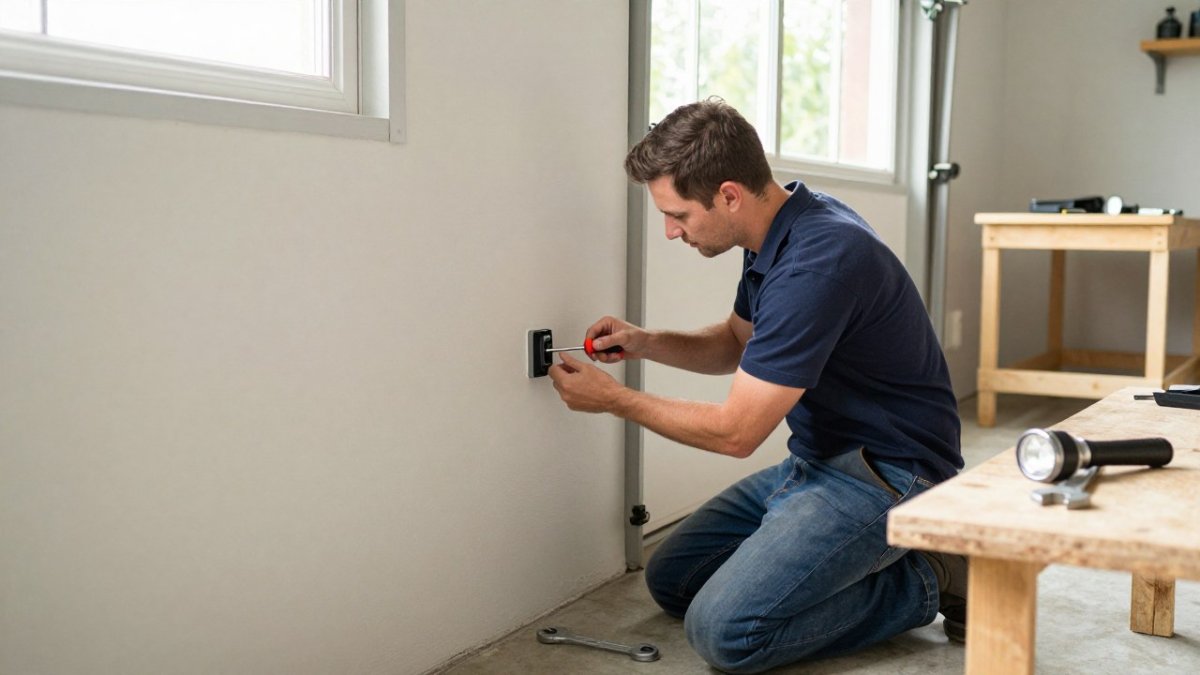
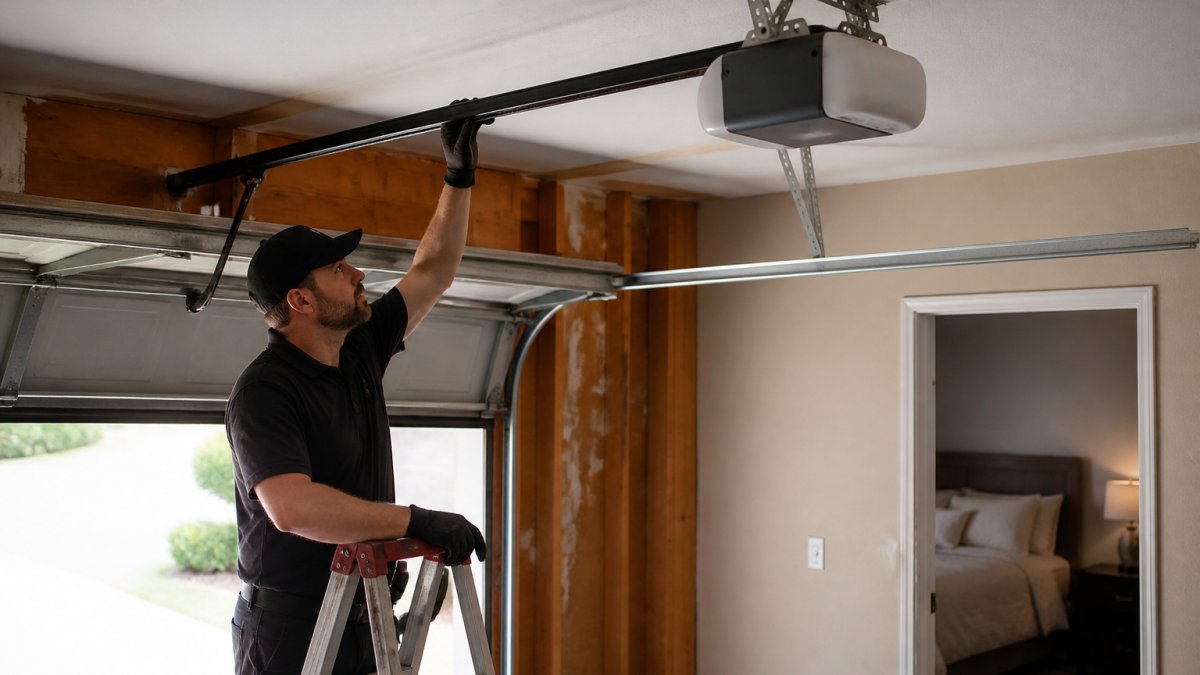
Most homeowners can replace a like-for-like opener in a few hours with basic tools, but swapping drive types is a different job. The rail, trolley, and mounting brackets are often specific to the drive mechanism, so a chain-to-belt swap usually means replacing the full opener assembly rather than just the chain. Expect to need a ladder, a socket set, a drill, and a helper for the motor head, which is awkward to hold overhead alone. The job also involves disconnecting and reconnecting the safety reverse system and the wall control wiring, which is where most DIY mistakes happen.
A realistic time estimate for a full swap is four to six hours for a confident DIYer, longer if the ceiling mounting needs new brackets or if the existing rail length does not match the new unit. Professional installation typically takes two to three hours and includes testing the safety reverse and balance. If your garage has high ceilings, a low-clearance door, or older wiring, the professional route is usually worth the cost. The key point competitors miss: the drive type you choose today determines how hard the next swap will be, so if you are unsure between belt and chain, pick the one that matches your door weight and noise tolerance rather than planning to switch later.
Cost, Maintenance, and Smart Features Compared
| Feature | Belt Drive | Chain Drive |
|---|---|---|
| Noise level | Very quiet | Louder, vibrates |
| Lifting strength | Standard doors | Heavy doors |
| Maintenance | Low | Regular lubrication |
| Up-front cost | Higher | Lower |
| Best for | Attached garage | Heavy or detached doors |
What the Numbers Actually Look Like
Maintenance intervals differ more than the marketing suggests. Chain drives benefit from lubrication every six to twelve months, especially in dusty or humid garages. Belt drives generally need only an annual inspection for fraying, glazing, or slack. Over a ten-year ownership window, the chain's lubrication schedule can add up to several hours of DIY time or a handful of service calls, which is where the belt's higher sticker price starts to look smaller.
Smart Home Integration: The Gap Most Comparisons Miss
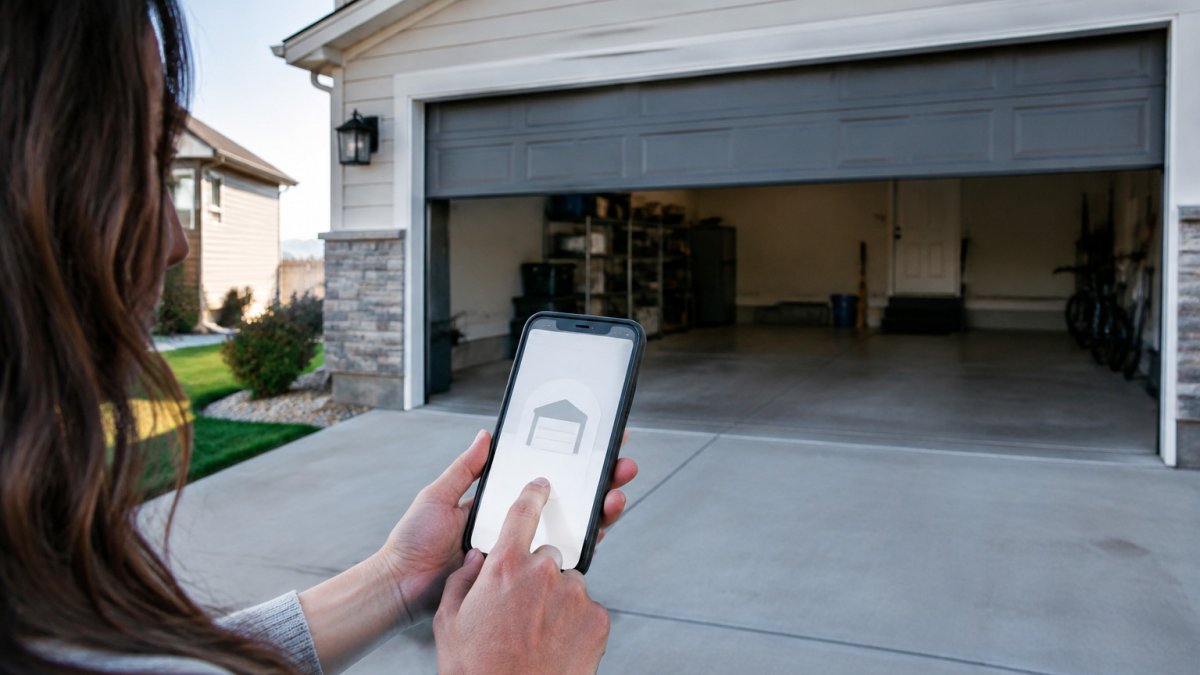
Garage Door Connection offers advanced opener technology with smartphone control and battery backups. Our guide to upgrading to a smart garage door opener covers what those features actually add.
Climate and Motor Strain
A belt drive runs the motor more smoothly, which reduces strain on the gear assembly over time. A chain drive asks more of the motor on a heavy door, and that shows up as heat and wear.
Climate changes the math. Cold winters stiffen lubricants and rubber alike, so both drive types work harder in January. In hot climates, rubber belts can dry and crack faster if the garage regularly exceeds 100°F, while steel chains are less sensitive to heat but lose lubrication faster in dusty air. A properly rated motor and a clean, lubricated rail system matter more than the drive type once temperatures drop or spike, but the maintenance schedule should shift with the climate, not stay fixed year-round.
Get a Free Quote for Your Attached Garage Opener
At Garage Door Connection, we offer advanced opener technology with smartphone control and battery backups. If you are interested, request a quote for opener installation.
Frequently Asked Questions
Which is better for an attached garage, a belt-drive or chain-drive opener?
For most attached garages, a belt drive is the better pick because a rubber belt runs quieter than a steel chain, and that matters when a bedroom or living space sits above or beside the garage. Chain drive still works well if the garage is detached or the door is heavy and budget is tight. Weigh noise tolerance, door weight, and how long you plan to stay before deciding.
How long does a belt drive garage door opener last?
A belt drive opener typically lasts 10 to 15 years with regular maintenance, though the rubber belt itself may need replacement sooner than the motor. Lubrication, balanced springs, and a properly aligned rail system all extend service life. In cold climates with big temperature swings, inspect the belt yearly for cracking or slack, since weather resistance varies by belt material.
Are chain-drive garage door openers more reliable than belt-drive models?
Chain drive reliability comes from its steel construction, which handles heavy doors and harsh conditions with fewer wear parts than a belt. Belt drives are reliable too, but the rubber belt is the weak point over time. If your door is heavy or your garage sees extreme cold, chain drive torque and tensile strength give it an edge. For lighter doors, a belt drive holds up fine.
Does a belt-drive opener cost more than a chain-drive opener?
Belt drive openers generally cost more upfront than chain drive because of the quieter belt mechanism and smoother operation. Chain drive is the cost-effective choice on purchase price, but belt drive can offset that with less vibration and quieter operation in living spaces. Pricing depends on door size, features, and installation, so request a quote for exact figures.