 blog
Smartphone Garage Door Control: 7 Pros and Cons
Last Updated: November 5, 2026
Quick Summary
Smartphone garage door control is worth it for households that worry about the door being left open, and less compelling for anyone who rarely uses the garage. It solves real problems like open-door alerts and revocable guest access, but adds new risks such as account compromise and app dependence.
- Confirm your opener's brand, model, and terminal type are on the controller's compatibility list before buying.
- Use a unique password and turn on multi-factor authentication if the manufacturer offers it.
- A retrofit controller usually wins on total cost if your opener is under roughly ten years old and quiet.
- During an internet outage, the wall button and physical remote keep working.
- Ask whether the app requires a paid plan for remote access before you commit.
Table of Contents
- What Smartphone Garage Door Control Actually Does
- Smart Garage Door Opener Pros and Cons at a Glance
- Smart Garage Door Opener Security: What It Protects and What It Doesn't
- Retrofit Smart Garage Door Controller vs. Replacing the Opener
- When the Internet, Power, or App Goes Down
- Total Cost of Ownership: What You Pay Beyond the Device
- Get a Free Quote on Smart Opener Installation
- Frequently Asked Questions
What Smartphone Garage Door Control Actually Does
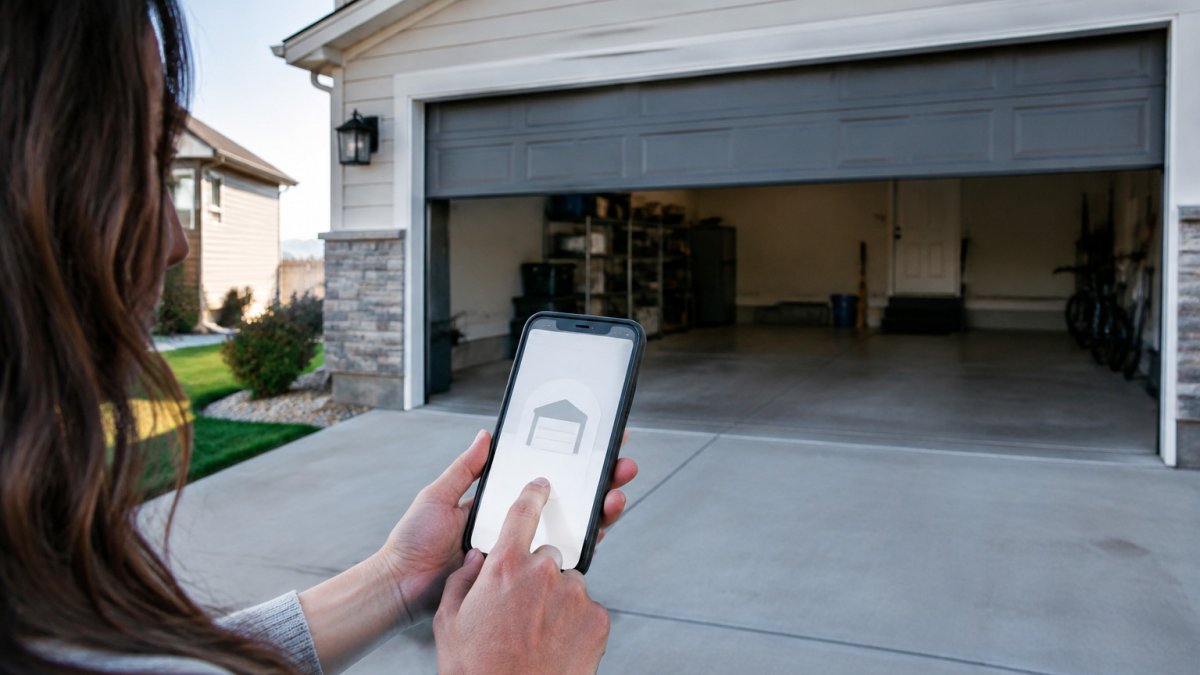
Smartphone garage door control is the ability to open, close, and monitor your garage door from a phone app instead of a wall button or remote.
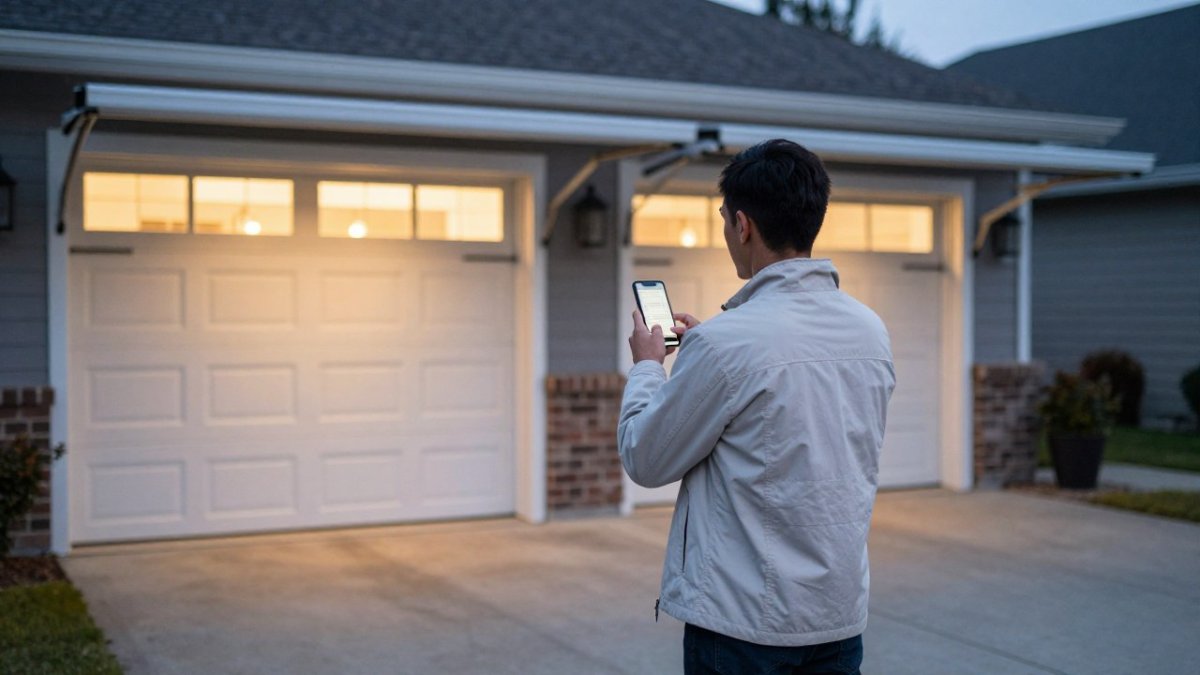
How a Phone Talks to Your Garage Door
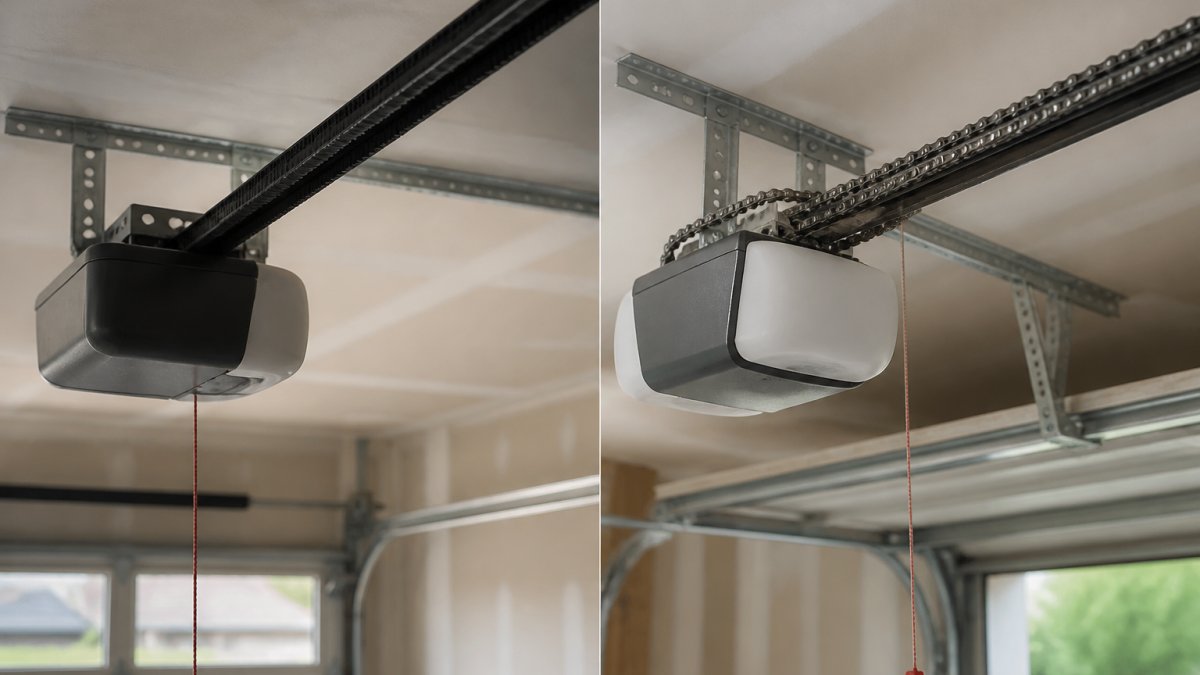
A smart garage door opener is a motorized unit with a network module built in, while a retrofit controller is a small device wired to an existing opener. Either way, the chain works the same way:
- Your phone sends a command through the manufacturer's mobile app
- The app relays it over your home Wi-Fi connection to the opener or controller
- The device triggers the motor and reports door status back
- Push notifications confirm the door moved, or alert you that it stayed open
The weak link is almost always the Wi-Fi connection, not the motor. A garage at the far end of a house often sits at the edge of router range, which is why connectivity reliability comes up in nearly every support call we take.
Smart Garage Door Opener Pros and Cons at a Glance
The short answer: smartphone control is worth it for households that worry about the door being left open, and less compelling for anyone who rarely uses the garage. Here is the summary before the detail.
| Factor | Pro | Con |
|---|---|---|
| Convenience | Open and close from anywhere | App becomes a single point of failure |
| Monitoring | Real-time door status and alerts | False alerts if sensors are misaligned |
| Security | Fewer "did I leave it open?" nights | Account compromise is a real risk |
| Access | Guest and family access without spare remotes | Managing codes takes discipline |
| Cost | Retrofit controllers cost less upfront | Subscription fees and install add up |
| Reliability | Battery backup covers short outages | Needs steady Wi-Fi to work remotely |
Cold snaps matter here more than most guides admit.
If winter performance is your worry, our team covers smart garage opener cold weather performance in detail.
Smart Garage Door Opener Security: What It Protects and What It Doesn't
Smart garage door opener security protects against the two failures people actually experience: a door left open all night, and a door opened by someone who should not have a way in. It does not protect against a weak password, a shared login, or a guest code you forgot to delete. The useful way to judge any system is to separate the threats it realistically addresses from the ones that are still your responsibility.
The threats smartphone control actually reduces
- The door left open. A status readout and push alert catch the open door before it becomes an invitation. This is the single most common real-world benefit.
- The hidden remote. A remote left in a glovebox or under a mat is a known break-in pattern. App-based access removes the need to stash a transmitter.
- The untracked entry. Every open and close is logged with a timestamp, so you can see when the door moved and which user or code triggered it.
- The forgotten contractor code. Individually revocable access codes let you cut off a cleaner, dog walker, or contractor without changing the whole system.
The threats it does not reduce
Unauthorized access rarely comes from someone cracking the radio signal. A common pattern is a shared login that spreads beyond the household, a contractor code still active months after the job, or a password reused from another account.
A realistic threat scenario looks like this: a household member shares the app login with a neighbor "just for the weekend," the neighbor's phone is later sold or lost, and the login still works because nobody changed it.
Practical account and access practices
- Use a unique password for the garage app, not one reused from email or banking, and store it in a password manager.
- Turn on multi-factor authentication if the manufacturer offers it; this is the single highest-value setting on most apps.
- Give each household member their own login rather than sharing one, so access can be revoked individually.
- Review the user and code list quarterly and delete anyone who no longer needs entry.
Watch out: a guest code or shared login that is never revoked is the most common path to unauthorized entry, and no amount of signal encryption compensates for it.
What to ask before you buy
The security value of any system depends on features that are easy to overlook on a product page. Confirm that the app supports individual user accounts, multi-factor authentication, an access log with timestamps, and revocable or expiring codes. If a controller only supports a single shared login, its security ceiling is low no matter how strong the radio link is.
For a deeper walkthrough of app setup and locking down access, see our guide to smartphone garage door app safety.
Retrofit Smart Garage Door Controller vs. Replacing the Opener
A retrofit smart garage door controller is a device that adds app control to an opener you already own; replacing the opener means a new motor with smart features built in.
Choose a retrofit controller if:
- Your opener is under roughly ten years old and runs quietly
- You have safety sensors in place and working
- You want app control without paying for a new motor
Replace the opener if:
- The motor is loud, slow, or has needed repeated repairs
- Replacement parts are hard to find
- You want battery backup and monitoring built into one unit
Compatibility is the check most people skip. Our team can tell you which path fits your door during a quote on smart opener installation, and if you want the broader case for upgrading, read why upgrade to a smart garage door opener.
When the Internet, Power, or App Goes Down
The most common objection we hear is fair: what happens when the app or the power fails?
- Internet outage: Remote control stops, but the wall button and your physical remote keep working.
- Power outage: A battery backup keeps the opener running for a limited number of cycles, so you can still get in and out.
- App outage: The manufacturer's servers go down occasionally; the door itself is unaffected.
- Company goes out of business: The opener still responds to the wall button and remote, even if the app stops updating.
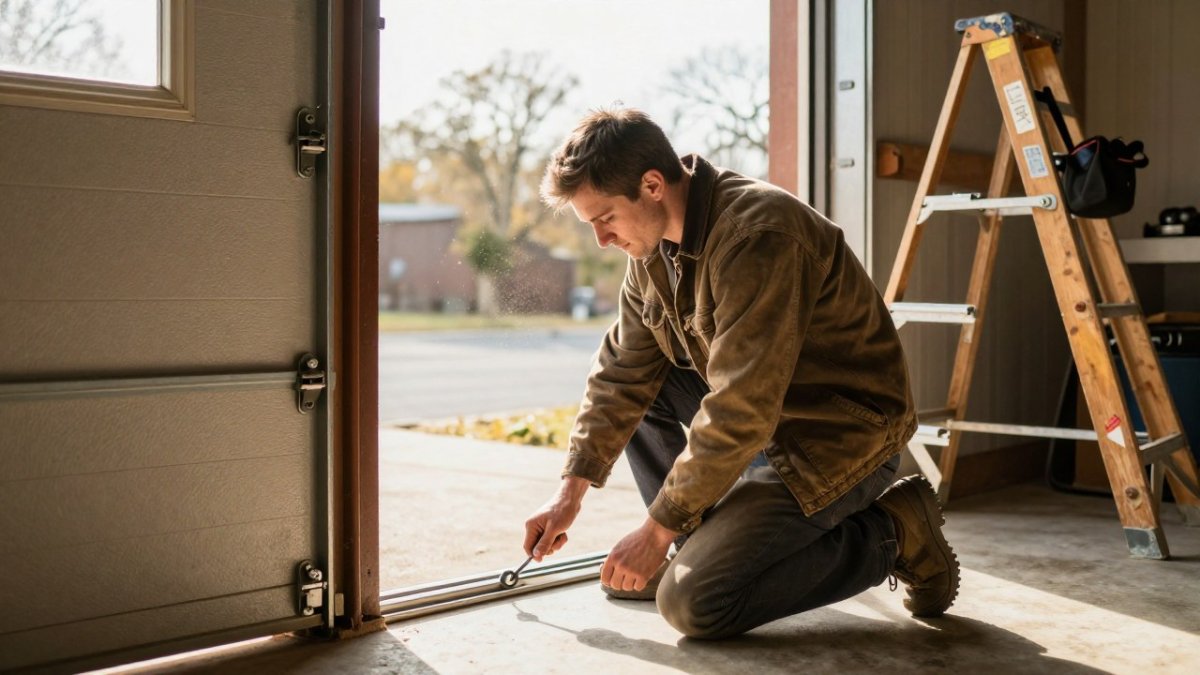
The one thing that never changes is the manual release cord. If the motor has no power and no battery, you pull the cord to disengage the door and lift it by hand.
Battery backup reliability depends on the battery, not the marketing. Our article on making your opener's battery backup reliable covers how to check it before storm season.
Total Cost of Ownership: What You Pay Beyond the Device
The sticker price is the smallest part of the math. Total cost of ownership for smartphone garage door control includes the device, installation, possible subscription fees, and the maintenance that keeps it working. The two paths, retrofit controller versus replacement opener, carry different cost structures, and the cheaper purchase is not always the cheaper five-year decision.
The line items to budget for
- The device. A retrofit controller is the lower upfront purchase; a new smart opener is the higher one because you are buying a motor, not just a network module.
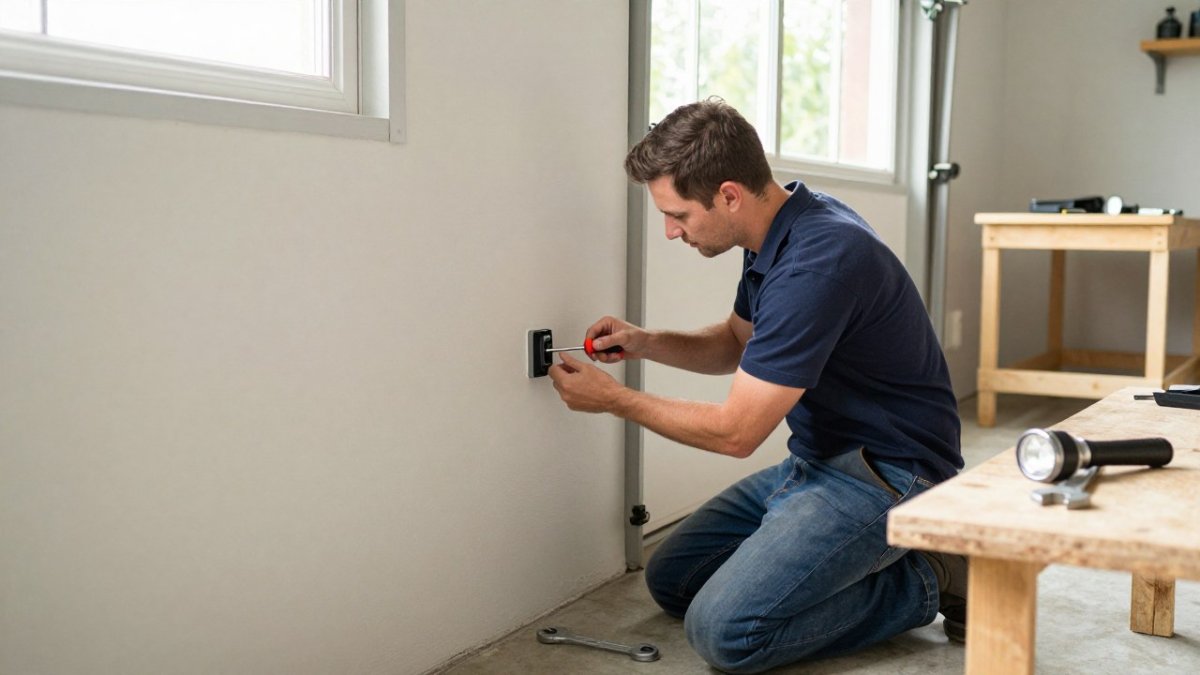
- Installation. A retrofit controller is usually a simpler job, but it still requires wiring to the opener and confirming safety sensor integration. A full opener replacement involves removing the old unit, mounting the new one, and reconnecting safety sensors and the wall control.
- Subscription fees. Some manufacturers charge for cloud features such as remote access, history, or integrations. Ask specifically whether remote control works without a paid plan; on some systems it does not.
- Battery replacement. Openers with battery backup need the battery replaced every few years, and the cost depends on the battery type the unit uses.
How the two paths compare over time
A retrofit controller keeps your existing motor and adds app control, so the upfront cost is lower and the installation is lighter. The trade-off is that you inherit the age and condition of the existing opener, and an older unit may not be supported at all.
The break-even question is simple: if your opener is under roughly ten years old and running quietly, a retrofit usually wins on total cost. If it is loud, slow, has needed repeated repairs, or is 15+ years old, the retrofit may not be supported, and a replacement is the better long-term spend.
Questions to ask before you commit
- Does the app require a paid plan for remote access, and what does that plan cost per year?
- Is the controller compatible with your opener's brand, model, and terminal type?
- Does the controller integrate with the door's safety sensors, or does it bypass them?
- What is the battery type and replacement interval for the opener's backup?
- Is installation included, and what does the quote cover if wiring or sensor alignment is needed?
Pricing depends on your existing equipment and what needs replacing, so get a quote for your specific setup. Ask for the full picture in writing, including whether the app requires a paid plan, before you commit.
Watch out: the cheapest controller on a marketplace listing often lacks the safety sensor integration your door needs, and an opener that cannot detect an obstruction is a safety problem, not a convenience one.
Get a Free Quote on Smart Opener Installation
The challenge is simple: most homeowners cannot tell from a product page whether their current opener is compatible, whether the Wi-Fi will reach the garage, or whether a retrofit is worth it over a replacement.
Garage Door Connection can help with that decision.
Get a free quote from Garage Door Connection for a smart opener that fits your door and your Wi-Fi.
Frequently Asked Questions
What are the downsides of smartphone garage door control?
The main downsides are dependence on Wi-Fi and power, possible subscription fees for some platforms, and setup that varies by opener brand. If your internet drops, remote access stops working until it returns, though the wall button and remotes still operate the door. Some systems also charge a monthly fee for advanced features, and older openers may need a retrofit controller or replacement before smartphone control works at all.
Can I add smartphone control to my existing garage door opener?
Often yes. A retrofit smart garage door controller connects to most openers made after the mid-1990s and adds app control without replacing the motor. Check compatibility first: the controller needs to match your opener's brand and wiring, and your Wi-Fi signal must reach the garage. If your opener is 15 or more years old or already failing, replacing it with a smart-capable unit may cost less over time than adding a controller to worn hardware.
What happens if the Wi-Fi or power goes out?
During a Wi-Fi outage, smartphone garage door control stops working, but your wall button and handheld remotes still open and close the door. During a power outage, the opener itself stops unless it has a battery backup, which keeps the door operating for a limited time. Manual release lets you open the door by hand from inside. Test your backup and know where the release cord is before winter storms hit.
Is a smart garage door opener secure?
Smart openers can send alerts when the door opens, which adds visibility beyond a code-based remote alone. The weak point is usually the account: reuse a strong, unique password, turn on two-factor authentication if offered, and review guest access regularly. Remove temporary codes for contractors or visitors once they no longer need them. Pair smartphone control with a well-maintained door and working safety sensors for the best protection.